Building a high-protein meal plan on a budget is achievable with strategic shopping, simple batch cooking and smart portioning based on body weight. This guide explains how to set exact gram targets per day and per meal, prioritize bioavailable protein sources and calculate cost per serving so you can fuel training, recovery and daily performance without overspending.
Set Exact Protein Targets by Body Weight
Active people typically benefit from 1.2–2.0 g of protein per kilogram of body weight per day, depending on training load, energy intake and personal goals. Distributing protein evenly over the day supports satiety and muscle protein synthesis.
- Daily target range: 1.2–2.0 g/kg body weight
- Per-meal target (3–5 meals): ~0.25–0.4 g/kg per meal
- Per-snack target: ~0.15–0.25 g/kg if using protein-forward snacks
Examples for planning purposes:
- 60 kg person: 72–120 g/day; four meals at ~18–30 g protein each
- 75 kg person: 90–150 g/day; four meals at ~22–38 g protein each
- 90 kg person: 108–180 g/day; four meals at ~27–45 g protein each
Use these numbers to portion foods. For instance, 120 g cooked chicken breast approximates ~35 g protein; 200 g Greek yogurt adds ~20 g; one large egg adds ~6–7 g.
Bioavailable Protein Sources: Food-First, High-Value Choices
Bioavailability reflects how effectively your body digests and uses protein. Animal proteins typically score high on measures like DIAAS, while well-planned plant combinations also deliver complete amino acids.
Animal proteins with high bioavailability
- Eggs: ~6–7 g per large egg; versatile, low waste, easy to batch-cook.
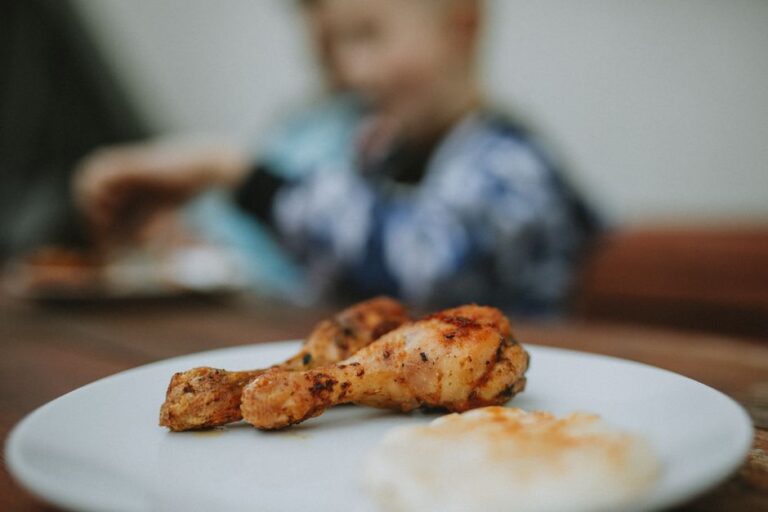
- Chicken breast or thigh: ~27–32 g per 100 g cooked; freezes well and suits many cuisines.
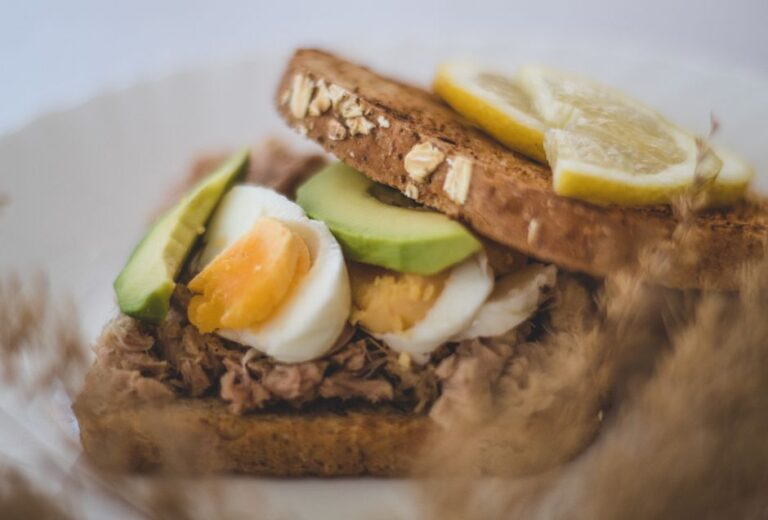
- Canned fish (tuna, salmon, sardines): ~20–26 g per 100 g; shelf-stable; sardines add calcium and omega-3.
- Lean ground turkey or beef: ~24–27 g per 100 g cooked; ideal for chili, meatballs or skillet meals.
- Dairy (Greek yogurt, cottage cheese, milk): Greek yogurt ~9–10 g per 100 g; cottage cheese ~10–12 g per 100 g; milk ~3–3.5 g per 100 ml.
Plant proteins and strategic combinations
- Firm tofu/tempeh: tofu ~7–10 g per 100 g; tempeh ~18–20 g per 100 g; great in stir-fries and bowls.
- Lentils and beans: lentils ~8–10 g per 100 g cooked; black beans ~7–9 g per 100 g cooked.
- Whole grains and seeds: quinoa ~4 g per 100 g cooked; oats ~12–17 g per 100 g dry; peanut butter ~7–8 g per 2 tbsp.
- Complete profiles via pairing: combine legumes with grains (e.g., beans + rice) across the day to cover essential amino acids.
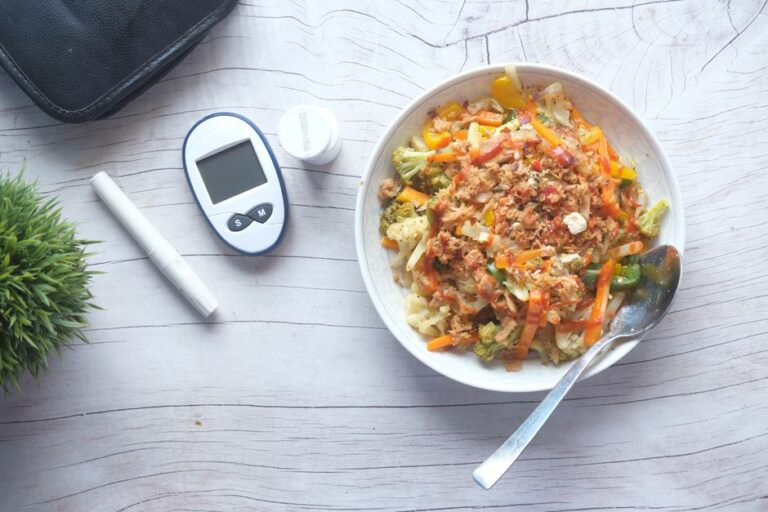
A balanced, budget-friendly plate often pairs a primary protein with fiber-rich carbs and vegetables to improve fullness and glucose stability while keeping costs under control.
How to Calculate Cost per Serving and Cost per 25 g Protein
Prices vary by region and over time, so the most reliable method is to compute cost from your local store receipts. The steps below help you compare foods fairly.
Step-by-step method
- 1) Find unit price: Note price per package and net weight (or drained weight for canned fish).
- 2) Compute price per 100 g (or per egg/cup): Price ÷ total grams × 100.
- 3) Identify protein per 100 g: Use the nutrition label or a reliable database.
- 4) Compute cost per 25 g protein: 25 ÷ (protein per 100 g) × price per 100 g.
- 5) Compare across foods: Lower cost per 25 g protein indicates better value.
Example using hypothetical prices for illustration only (replace with your local numbers):
- Eggs: If a dozen large eggs cost X and each egg has ~6.5 g protein, then cost per 25 g protein ≈ cost of ~4 eggs.
- Dry lentils: If 1 kg costs Y and cooked yield is about 2.5–3× weight with ~9 g protein per 100 g cooked, compute based on cooked weight to reflect realistic servings.
- Chicken breast: If 1 kg raw costs Z and yields ~75–80% cooked weight, use the cooked weight protein (~31 g/100 g cooked) to price cost per 25 g protein.
For tight budgets, foods that frequently come out as strong values include eggs, dry lentils and beans, whole chicken or bone-in cuts, canned tuna or sardines, cottage cheese and bulk Greek yogurt. Confirm with your own store data.
Budget Shopping and Meal Prep Strategies
Target lower cost per 25 g protein without sacrificing quality. Consistency and batching reduce waste and save time.
Smart shopping checklist
- Buy in bulk when unit price drops: Family packs of poultry, large tubs of yogurt, multi-can fish.
- Use store brands: Often the same nutrition for less.
- Choose whole cuts and self-portion: Whole chicken, large roasts or blocks of tofu are cheaper per gram.
- Scan circulars and apps: Plan your week around discounts on protein staples.
- Leverage frozen: Frozen chicken, fish and vegetables cut costs and reduce spoilage.
- Dry legumes over canned when time allows: Soak and batch-cook for the best price per serving.
Batch-cook building blocks
- Protein base: Roast a tray of chicken thighs, simmer a pot of lentils, or brown lean ground meat with onions.
- High-protein sides: Cook quinoa, make a Greek yogurt herb dip, or prep cottage cheese bowls with fruit.
- Flavor kits: Keep spice blends, tomato paste, soy sauce, mustard and citrus on hand to vary meals without extra cost.
Exact Gram Targets Turned Into Real Plates
Use the body-weight targets to assemble meals that reliably hit per-meal protein goals. Adjust portions to personal energy needs and preferences.
Four-meal day for a 75 kg person (~0.35 g/kg per meal ≈ 26 g each)
- Breakfast: 2 eggs (13 g) + 200 g Greek yogurt (18–20 g) + berries; total ~31–33 g.
- Lunch: 120 g cooked chicken breast (~35 g) + rice + mixed vegetables; total ~35 g.
- Snack: Cottage cheese 200 g (~22–24 g) + sliced cucumber and olive oil; total ~22–24 g.
- Dinner: Lentil chili: 350 g cooked lentils (~30–32 g) with peppers and tomatoes; total ~30–32 g.
This example exceeds the per-meal minimum and lands near the daily mid-range, giving room to scale carbohydrate and fat for training demands.
Plant-forward day hitting 1.6 g/kg for 60 kg (~96 g/day)
- Breakfast: Overnight oats with 250 ml milk (~8–9 g) + 200 g soy yogurt (~10–12 g) + peanut butter 2 tbsp (~7–8 g); total ~25–29 g.
- Lunch: Tofu stir-fry: 250 g firm tofu (~20–25 g) with vegetables and rice; total ~20–25 g.
- Snack: Hummus 100 g (~7–8 g) + whole-grain pita (~6–7 g); total ~13–15 g.
- Dinner: Lentil–bean bowl: 250 g cooked lentils (~20–23 g) + 150 g black beans (~10–13 g) + avocado and salsa; total ~30–36 g.
Combining soy, legumes and whole grains covers essential amino acids and maintains cost-effectiveness.
Cost Control: Quick Wins That Add Up
Small, repeatable actions keep the plan affordable without compromising protein quality.
- Master a budget-friendly anchor meal: For example, lentil-chicken soup or tofu–vegetable curry that freezes well.
- Use protein toppers: A boiled egg, 100 g cottage cheese or a few sardines can raise a meal by 6–20 g for low cost.
- Portion before freezing: Divide cooked chicken, lentils or tofu into 25–30 g protein packs to simplify tracking and minimize waste.
- Prefer recipes with similar ingredients: Reduces leftover waste and increases buying power for discounts.
Putting It All Together: Your Budget High-Protein Template
Use this template to build a week that meets your gram target and keeps the cost per serving low. Swap foods based on sales and personal preferences.
Daily template
- Meal 1: Egg-based or dairy/soy bowl (20–35 g protein)
- Meal 2: Poultry, fish or tofu entrée with grains and vegetables (25–40 g)
- Meal 3: Legume or cottage cheese option (20–35 g)
- Meal 4: Mixed plate using leftovers plus a protein topper (20–35 g)
Track cost by logging receipts, computing cost per 25 g protein for your staples and favoring the options that deliver the best value while meeting your taste and nutrition preferences.
Frequently Asked Questions
How many grams of protein should I eat per day for training?
Active individuals commonly target 1.2–2.0 g/kg body weight per day. Choose the lower end for lighter training phases and the higher end for heavier resistance work or when in an energy deficit. Distribute intake across 3–5 protein-rich meals.
What are the most cost-effective high-protein foods?
Eggs, dry lentils and beans, canned fish, bone-in poultry, cottage cheese and bulk Greek yogurt often deliver low cost per 25 g protein. Verify with your local prices by calculating cost per 25 g protein using store receipts.
Are plant proteins as good as animal proteins?
Animal proteins are generally more bioavailable and contain all essential amino acids in optimal ratios. Plant proteins can match needs when total protein is sufficient and varied sources are combined across the day, such as legumes with grains and soy foods.
Is it better to count protein per meal or per day?
Hitting the daily total matters most, but even distribution improves muscle protein synthesis and satiety. Aim for ~0.25–0.4 g/kg per meal and adjust snacks to close any gaps.
How do I lower costs without sacrificing nutrition quality?
Buy staples on sale, prefer store brands, use frozen options to reduce waste, batch-cook, and compare foods by cost per 25 g protein rather than sticker price alone. Build meals around value anchors like eggs, lentils, canned fish and discounted poultry.