How to Build a High-Protein Breakfast That Keeps You Full for 4+ Hours: Macro Targets, Smart Food Swaps, and 10-Minute Recipes

A high-protein breakfast can steady energy, curb mid-morning cravings, and support muscle maintenance, making it a powerful start for busy days. This guide from activenutri.app explains practical macro targets, smart food swaps, and 10-minute recipes so you can assemble meals that deliver lasting fullness without fuss.
Protein helps slow gastric emptying and supports steady blood glucose, which translates to fewer hunger dips. Combined with fiber and healthy fats, a high-protein breakfast creates a balanced plate that sustains energy for work, training, and daily tasks.
Beyond appetite control, a protein-forward meal supports lean mass, recovery, and metabolic health when paired with resistance training and quality sleep. The key is hitting an effective protein dose while keeping carbs and fats purposeful.
A practical protein target for breakfast is about 25–40 g for most adults. This range generally supports satiety and provides enough amino acids to stimulate muscle protein synthesis when combined with regular strength work.
Larger or more active individuals may benefit from leaning toward the higher end. Smaller or less active individuals may feel great closer to 25–30 g. Listen to your hunger cues and performance across the morning.
Carbs provide quick and sustained energy when you choose minimally processed sources. Aim for about 20–45 g at breakfast, depending on activity, workload, and tolerance. Prioritize slow-digesting carbs with fiber to stabilize energy.
Healthy fats support hormones and extend satiety. A simple range is 10–20 g at breakfast, adjusted for total daily needs. Pair fats with fiber to further slow digestion.
Combine thick Greek yogurt with berries, chia seeds, and a drizzle of nut butter. Add a scoop of protein powder if needed. Greek yogurt typically provides a strong base of protein, and chia plus nut butter add fiber and healthy fats.
Scramble whole eggs with a spoonful of cottage cheese and spinach. Season with salt, pepper, and herbs. Serve with a slice of high-fiber toast or a side of fruit.
Cook rolled oats with water or milk. Stir in protein powder off heat for a smooth texture. Top with diced apple, cinnamon, and a sprinkle of walnuts or hemp seeds.
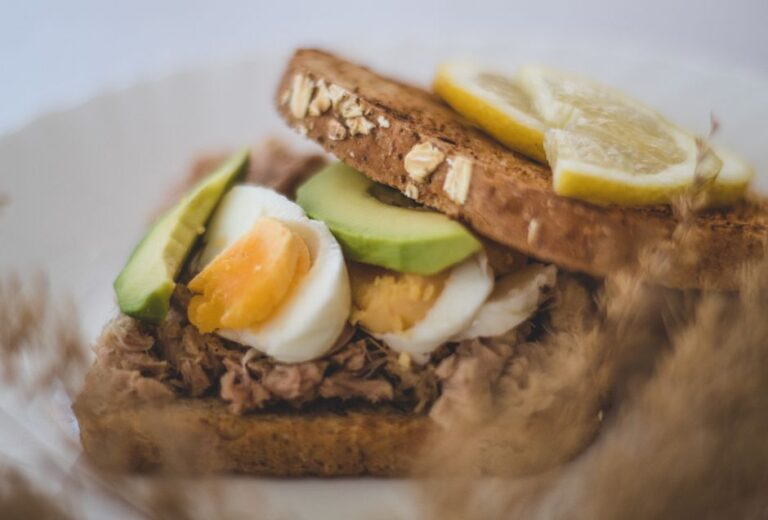
Fill a high-protein wrap with egg whites, one whole egg, sautéed peppers, and lean turkey or smoked tofu. Add avocado for creaminess and fiber.
Blend silken tofu with frozen berries, spinach, milk of choice, and a scoop of protein powder if desired. Adjust thickness with ice and add ground flax for extra fiber.
Use these benchmarks to mix and match. For example, two eggs plus a half-cup of cottage cheese and a slice of whole-grain toast typically lands near the mid-range protein target with balanced carbs and fats.
Eat within one to two hours of waking if you wake up hungry. If appetite is low early, start with a smoothie or yogurt bowl and finish the rest later. Consistency helps your appetite and circadian rhythm adapt.
Dehydration can masquerade as hunger. Have a glass of water first thing, and add a pinch of salt or pair breakfast with electrolyte-rich foods such as yogurt or a small portion of lightly salted nuts if you sweat heavily.
For early workouts, prioritize an easily digested option with a moderate carb bump. After training, target a solid protein serving with some carbs to replenish and recover. Keep fats moderate pre-workout for comfort.
Fix by adding a second protein source. Stir protein powder into oats, fold cottage cheese into eggs, or layer turkey on a tofu or egg wrap.
Fix by choosing whole fruit over juice, swapping white bread for whole-grain, or adding chia, flax, or berries to bowls and smoothies.
Fix by flavoring with spices, citrus zest, vanilla extract, and a small drizzle of honey instead of large sugar portions. Add nuts or seeds to blunt rapid spikes.
A practical range for most adults is about 25–40 g of protein at breakfast. Choose the lower end for lighter days and the higher end if you are larger, very active, or find yourself hungry before lunch.
Yes. Combine two or more plant proteins to raise total protein and improve amino acid variety. Examples include tofu with soy yogurt, a protein smoothie with seeds, or a bean and avocado wrap on high-protein bread.
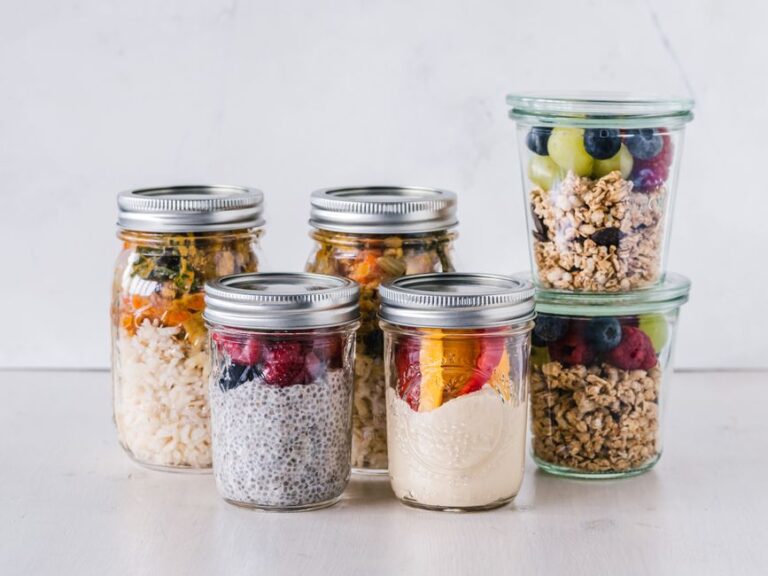
Go for ready-to-assemble options such as Greek yogurt with berries and chia, a protein shake with fruit, or a high-protein wrap with turkey or tofu. Batch-prep hard-boiled eggs and overnight oats on Sundays.
No. Carbs paired with protein, fiber, and healthy fats can enhance satiety and energy. Choose slower-digesting carbs such as oats, whole-grain bread, beans, or fruit and adjust portion sizes to your activity.
Hit your protein target, include fiber and a modest amount of healthy fat, and avoid large amounts of added sugar. Hydrate well, and consider a small snack of fruit and nuts if your lunch is delayed.