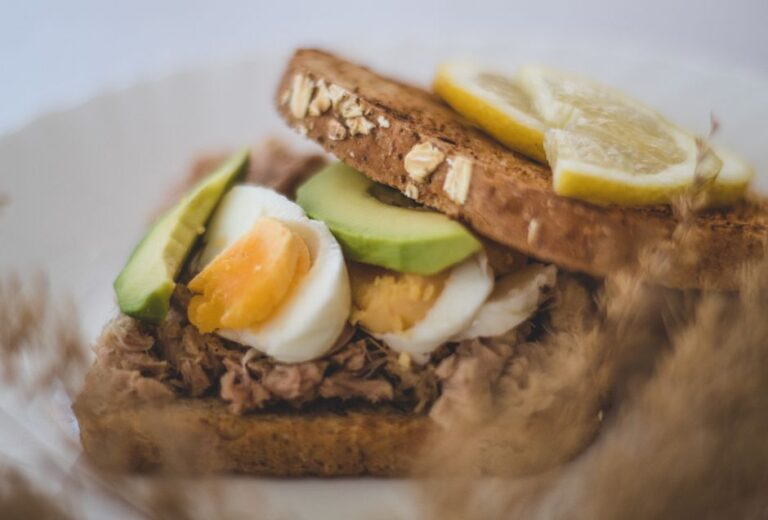
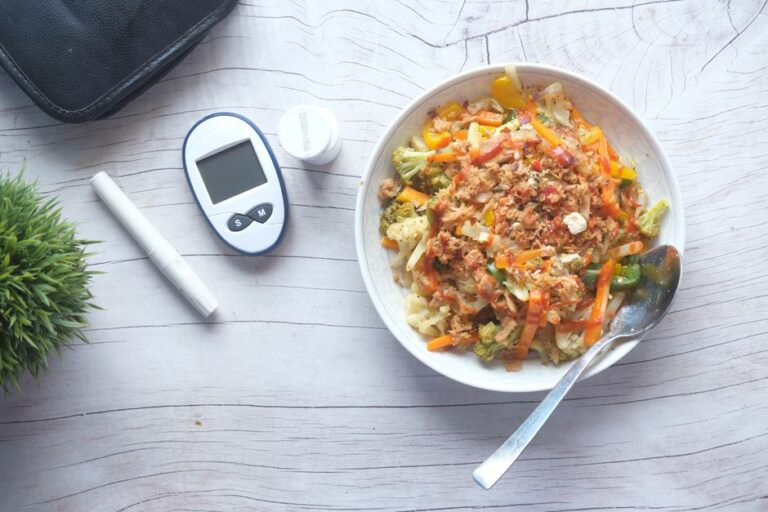
Learn how to combine fiber-rich foods with smart meal timing to smooth post-meal glucose, reduce energy dips, and support long-term metabolic health. This guide from activenutri.app offers practical food lists, portion targets, and ready-to-use meal templates grounded in current nutrition science and everyday feasibility.
Why Fiber and Meal Timing Help Control Blood Sugar
Fiber slows digestion, blunts rapid glucose spikes, and supports more gradual insulin responses. Soluble and viscous fibers create a gel-like matrix that delays gastric emptying and glucose absorption.
Resistant starch and intact whole grains feed beneficial gut bacteria, producing short-chain fatty acids that may support insulin sensitivity. Nonstarchy vegetables add volume and micronutrients without driving large glucose rises.
Meal timing matters because the order, spacing, and composition of meals influence post-meal curves. Front-loading protein and vegetables before starches, spacing meals evenly, and aligning larger meals with periods of higher activity can improve glycemic stability.
Fiber Types and Best Foods for Stable Glucose
Soluble, Insoluble, and Resistant Starch Explained
Soluble fiber dissolves in water and forms viscosity. It is abundant in oats, barley, legumes, psyllium, chia, and many fruits.
Insoluble fiber adds bulk and speeds transit. It is found in wheat bran, many vegetables, nuts, and seeds.
Resistant starch resists digestion in the small intestine. It is present in legumes, green bananas, cooled cooked potatoes, and cooled rice or quinoa.
High-Fiber Food List by Category
- Nonstarchy vegetables: Broccoli, cauliflower, leafy greens, Brussels sprouts, asparagus, peppers, cucumbers, zucchini, tomatoes, mushrooms, cabbage.
- Legumes: Lentils, chickpeas, black beans, kidney beans, navy beans, split peas, soybeans and edamame.
- Whole grains: Oats, barley, quinoa, buckwheat, farro, bulgur, whole wheat berries, brown and wild rice.
- High-fiber fruits: Berries, pears, apples, oranges, kiwi, avocado, pomegranate, figs, prunes.
- Nuts and seeds: Chia, flax, hemp, pumpkin seeds, almonds, walnuts, pistachios, hazelnuts.
- Fermented and fiber-enriched options: Sauerkraut, kimchi, tempeh, high-fiber wraps or breads made with intact grains and seeds.
Food Order to Flatten Glucose Spikes
When a meal includes starches or sugars, eat nonstarchy vegetables first, protein and fats next, and starches last. This order can moderate the rate at which glucose enters the bloodstream.
If appropriate for you, a small starter salad or vegetable soup can work as the first course. Chew thoroughly and allow a few minutes between courses to enhance satiety.
Portion Targets for Blood Sugar Stability
The Fiber-Forward Plate Method
- Half the plate: Nonstarchy vegetables cooked or raw.
- One quarter: Protein such as fish, poultry, eggs, tofu, tempeh, Greek yogurt, or legumes.
- One quarter: High-fiber carbs like legumes, intact whole grains, or starchy vegetables.
Adjust the carbohydrate quarter smaller and the vegetable half larger if you observe higher post-meal readings. Individuals with higher energy needs can expand both the protein and carbohydrate portions while keeping vegetables abundant.
Per-Meal Fiber and Protein Targets
- Fiber: Aim for a meaningful dose at each meal by combining vegetables, legumes, whole grains, nuts, and seeds. Many adults benefit from distributing daily fiber evenly across meals to reduce large swings.
- Protein: Include a palm-sized portion for most adults at each meal to support satiety, muscle maintenance, and slower gastric emptying.
- Fats: Add modest amounts of olive oil, avocado, nuts, or seeds to improve texture, flavor, and fullness without displacing fiber-rich foods.
Check food labels and use your glucose responses to fine-tune portions. Hydration and regular movement further support digestion and glycemic control.
Meal Timing Strategies That Support Glycemic Control
Consistent Meal Spacing
Most people do well with steady spacing across the day, such as three meals or two meals with one planned snack. Long gaps followed by very large meals may trigger higher peaks.
Anchor meals at times when you can eat slowly and avoid rushed overeating. Align your larger carbohydrate portions near daytime activity whenever possible.
Preload and Food Order
- Start meals with a vegetable appetizer or broth-based vegetable soup.
- Eat protein and fibrous foods before starches and sweets.
- If tolerated and appropriate, a light walk within one hour after eating can help smooth the post-meal curve.
Evening Eating and Sleep
Late, heavy meals can feel harder to manage for some people. If you eat late, emphasize vegetables, lean protein, and modest portions of slower-digesting carbohydrates.
Keep a consistent wind-down routine. Good sleep supports next-day hunger hormones and glucose handling.
Ready-to-Use Meal Templates
Breakfast Templates for Stable Blood Sugar
- Veggie omelet bowl: Two eggs or tofu scramble with spinach, mushrooms, and peppers. Side of berries and a sprinkle of chia.
- Overnight oats balance: Oats with chia and flax, Greek yogurt or soy yogurt, cinnamon, and mixed berries. Add walnuts for crunch.
- High-fiber smoothie: Unsweetened milk alternative, frozen berries, spinach, protein powder if needed, and ground flax. Pair with a slice of high-fiber toast.
- Bean-and-greens breakfast: Warm cannellini beans with olive oil, garlic, kale, and tomatoes. Serve with a small portion of whole grain.
Lunch Templates That Prioritize Fiber
- Legume power salad: Mixed greens, roasted vegetables, chickpeas or lentils, olives, seeds, and a vinaigrette. Add a portion of fish or tofu for extra protein.
- Whole-grain bowl: Quinoa or barley base, big scoop of black beans, roasted cauliflower and broccoli, avocado, salsa, and herbs.
- Soup-and-salad combo: Lentil or minestrone soup served with a crunchy cabbage slaw. Finish with citrus fruit.
- Wrap with crunch: High-fiber wrap stuffed with turkey or tempeh, hummus, arugula, shredded carrots, cucumbers, and pickled onions.
Dinner Templates to Smooth Post-Meal Glucose
- Salmon and brassicas: Baked salmon with roasted Brussels sprouts and a small portion of roasted potatoes cooled and reheated to include resistant starch.
- Tofu stir-fry: Tofu with bok choy, bell peppers, mushrooms, and snap peas in a garlic-ginger sauce. Serve over a modest bed of brown rice or cauliflower rice.
- Turkey chili: Turkey or three-bean chili loaded with tomatoes, onions, and zucchini. Add a side salad and a spoon of yogurt.
- Mediterranean plate: Grilled chicken or halloumi with Greek salad, olives, a scoop of lentil pilaf, and lemony tahini.
Snack Ideas That Work Between Meals
- Apple or pear with a small handful of nuts.
- Veggie sticks with hummus or edamame.
- Greek or soy yogurt with cinnamon and ground flax.
- Whole-grain crispbread with avocado and pumpkin seeds.
- Cottage cheese with berries or tomatoes and olive oil.
Practical Tips to Maximize Fiber Benefits
Build Gradually and Hydrate
Increase fiber intake stepwise to reduce bloating or discomfort. Drink water regularly throughout the day to support digestion and stool comfort.
Vary sources across vegetables, legumes, whole grains, nuts, and seeds to diversify benefits and keep meals enjoyable.
Use Cooking and Cooling to Your Advantage
- Prepare legumes in batches for quick add-ins to bowls and salads.
- Cook whole grains and starchy vegetables ahead, cool, and reheat as part of meals to include resistant starch.
- Keep pre-cut vegetables and greens ready so fiber is the easiest choice.
Smart Condiments and Seasonings
- Use herbs, citrus, vinegar-based dressings, and spices like cinnamon and cumin to enhance flavor without added sugars.
- Choose sauces with minimal added sugar and pair them with fiber-rich vegetables.
Personalization and Safety
Individual tolerance varies. If you have digestive conditions, kidney disease, are on glucose-lowering medications, or use insulin, adjust fiber increases and meal timing with your clinician or dietitian to avoid unintended hypoglycemia or discomfort.
Monitor your own post-meal responses where possible. Small, consistent adjustments to food order, portions, and timing often make a meaningful difference over time.
One-Week Framework You Can Adapt
Rotation Pattern
- Day 1–2: Emphasize legumes at two meals, vegetables first, and an evening walk.
- Day 3–4: Swap in barley or oats once daily, keep nonstarchy vegetables as half the plate.
- Day 5–6: Focus on seafood or tofu with cruciferous vegetables, keep starch to the end of the meal.
- Day 7: Lighter evening meal with salad, protein, and a modest high-fiber carbohydrate portion.
Repeat the cycle, rotating produce and proteins to maintain variety, enjoyment, and adherence.
Frequently Asked Questions
How much fiber should I aim for daily to help stabilize blood sugar?
Most adults benefit from eating fiber at every meal rather than relying on a