Soluble vs Insoluble Fiber: Which to Choose for Constipation Relief, Lowering LDL, and Stabilizing Blood Sugar?

Understanding the differences between soluble and insoluble fiber helps you target specific outcomes such as constipation relief, lowering LDL cholesterol, and stabilizing blood sugar. This guide explains mechanisms, best food sources, and practical ways to use each fiber type for digestive comfort, cardiometabolic health, and steady energy throughout the day.
Soluble fiber dissolves in water and forms a gel-like substance during digestion. This slows gastric emptying, modulates nutrient absorption, and feeds beneficial gut microbes that produce short-chain fatty acids with wide-ranging metabolic effects.
Insoluble fiber does not dissolve in water. It adds bulk to stool and supports regular bowel movements by speeding intestinal transit, which can help prevent feelings of sluggish digestion.
For constipation, both fiber types matter, but insoluble fiber typically plays the starring role because it increases stool bulk and reduces transit time. Still, many people experience the best relief with a balanced mix of both types.
Start by gradually increasing insoluble fiber from vegetables, whole grains, and seeds while maintaining adequate fluid intake to support stool hydration. Include moderate amounts of soluble fiber to soften stool and reduce straining.
Increase fiber gradually to reduce bloating or gas, and pair the change with consistent hydration. Gentle movement such as walking can further support regularity by stimulating gut motility.
Soluble fiber can help lower LDL cholesterol by trapping bile acids in the gut and promoting their excretion. The body then draws on circulating cholesterol to make new bile, which can lower LDL over time when paired with an overall heart-healthy eating pattern.
Beta-glucans from oats and barley, pectins from fruits, and certain legumes are particularly useful choices. While insoluble fiber supports overall gut health, soluble fiber is the main driver for LDL reduction.
Combine soluble fiber with unsaturated fats from olive oil, avocado, and nuts, and prioritize minimally processed foods to support an overall lipid-friendly pattern.
Soluble fiber slows the absorption of glucose, which can help reduce post-meal spikes and improve satiety. Insoluble fiber adds bulk and supports fullness, but soluble fiber is the key player for glycemic control.
Use preloading and layering strategies: start meals with vegetables or legumes, and combine carbohydrates with protein, healthy fats, and fibrous foods. This slows gastric emptying and supports steadier glucose responses.
For a deeper, step-by-step framework, see our guide on fiber and meal timing to stabilize blood sugar.
Build your plate around whole, minimally processed foods that naturally deliver both fiber types. Choose foods strategically depending on your priority outcome.
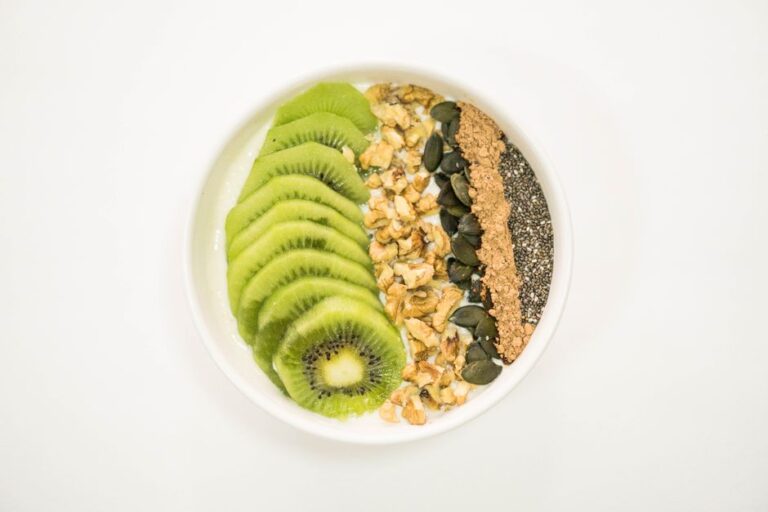
Simple swaps add up: trade refined grains for intact whole grains, use beans for part of the starch in bowls and soups, and top breakfasts with berries and chia instead of sugary spreads. For full-meal examples, explore our low-glycemic meal plan.
Fiber works best with adequate hydration. Insoluble fiber draws water into the stool, and soluble fiber forms gels that also rely on water. Insufficient fluids can worsen constipation when fiber intake rises too quickly.
Regular physical activity supports digestive motility and insulin sensitivity, complementing fiber’s effects. Start with daily walking and build from there based on your fitness level and schedule.
If gas or bloating occurs when you add legumes or high-fiber grains, reduce portion sizes temporarily, rinse canned beans thoroughly, and build tolerance over days or weeks.
For hydration strategies that support performance and digestion, see our guide on optimal hydration.
A food-first strategy provides fiber alongside micronutrients, polyphenols, and textures that support satiety and gut health. Still, supplements can be useful when intake from foods is limited or for specific, time-bound goals.
Psyllium is a common soluble fiber option often used for LDL reduction and stool softening. Wheat dextrin, inulin, and partially hydrolyzed guar gum are other examples, each with different textures and tolerability profiles.
For a structured framework on evaluating products and aligning them with your goals, read how to choose the right supplements.
If your primary goal is constipation relief, emphasize insoluble fiber from vegetables, whole grains, nuts, and seeds, while maintaining steady hydration and activity. Add moderate soluble fiber for stool softness and comfort.
If your primary goal is lowering LDL, prioritize soluble fiber from oats, barley, legumes, fruits, and possibly psyllium, alongside an overall heart-conscious eating pattern rich in unsaturated fats and minimally processed foods.
If your primary goal is stabilizing blood sugar, center meals on soluble-fiber foods and mixed macronutrient plates while pacing carbohydrate intake across the day and applying preloading strategies with vegetables or legumes.
In practice, most people benefit from eating a variety of plant foods that naturally deliver both fiber types, adjusting the balance based on how your digestion, lipids, and energy respond over time.
Both can help. Insoluble fiber generally provides more bulk and faster transit, while soluble fiber softens stool. Many people find that a balanced mix, introduced gradually with adequate water, works best for comfortable regularity.
Soluble fiber is the primary choice for LDL reduction, especially from oats, barley, legumes, certain fruits, and psyllium when appropriate. Make it a daily habit for consistent impact.
Soluble fiber forms gels that slow carbohydrate absorption and gastric emptying, reducing sharp post-meal rises. Combining fiber with protein, healthy fats, and non-starchy vegetables further supports steady glucose responses.
Most active adults can meet fiber needs through varied whole foods. Supplements may help when intake is limited or for targeted goals. Introduce them slowly, drink water, and consider guidance if you take medications.
Increase portions gradually, rinse canned legumes, consider splitting fiber across meals, and stay hydrated. If discomfort persists, reduce the last change you made and reintroduce more slowly while monitoring your response.