Omega-3 vs Omega-6: Which Ratio to Aim For and How to Adjust Your Diet to Reduce Inflammation
Balancing omega-3 and omega-6 fats supports heart, brain and immune health, yet the ideal ratio is often misunderstood. This expert guide explains what the evidence says about ratios, clarifies how omega-3 and omega-6 actually behave in the body, and provides clear steps to optimize your intake, choose better cooking oils, plan anti-inflammatory meals and decide whether supplementation fits your needs.
Understanding Omega-3 and Omega-6 Fatty Acids
Essential roles and key types
Omega-3 and omega-6 are polyunsaturated fatty acids that the body cannot make, so they must come from food. They are building blocks for cell membranes and precursors to signaling molecules that help regulate inflammation, blood flow and immunity.
- Omega-3: Alpha-linolenic acid (ALA) from plants, and the marine long-chain omega-3s eicosapentaenoic acid (EPA) and docosahexaenoic acid (DHA) from fish and algae.
- Omega-6: Linoleic acid (LA) in seeds, nuts and common vegetable oils, and arachidonic acid (AA) found in animal foods and made endogenously from LA.
Conversion and bioavailability
Humans convert only a limited fraction of ALA into EPA and DHA. Because of this, direct sources of EPA and DHA, such as seafood or algae oil, can be important when aiming to reduce inflammation or support heart and brain health.
Do You Need a Specific Omega-6 to Omega-3 Ratio?
What the science actually supports
There is no single, universally endorsed omega-6 to omega-3 ratio for everyone. Research increasingly shows that absolute intake of long-chain omega-3s (EPA and DHA) is a more practical and reliable target than chasing a precise ratio.
Importantly, omega-6 fats from foods like nuts, seeds and vegetable oils are not inherently pro-inflammatory in typical dietary amounts. Controlled trials and observational data indicate that replacing saturated fat with polyunsaturated fats, including omega-6, supports cardiovascular health.
A practical, evidence-aligned approach
- Prioritize sufficient EPA and DHA from seafood or algae while maintaining healthy, not excessive, total fat intake.
- Choose minimally processed sources of omega-6 such as nuts and seeds, and use cooking oils thoughtfully to avoid crowding out omega-3s.
- Focus on whole dietary patterns linked with lower inflammation, rather than a fixed numeric ratio.
Evidence-Based Intake Targets and Food Sources
Guideline anchors you can use
- ALA (plant omega-3): Adequate Intake from the National Academies is approximately 1.6 g/day for adult men and 1.1 g/day for adult women.
- EPA + DHA (marine omega-3s): Many heart-health recommendations converge on eating fish or seafood about twice per week, which typically provides an average of at least 250 mg/day EPA+DHA over time.
- LA (omega-6): Adequate Intake ranges for adults are approximately 17 g/day for men and 12 g/day for women, recognizing that needs vary by age, sex and energy intake.
These anchors help you assess whether you are getting enough omega-3s without unnecessarily restricting omega-6 from nutritious foods.
Top omega-3 food sources
- EPA/DHA: Salmon, sardines, trout, herring, mackerel and anchovies; shellfish such as mussels and oysters; algae-based products.
- ALA: Ground flaxseed, chia seeds, walnuts, hemp seeds and soy foods; canola and flaxseed oils.
Top omega-6 food sources
- Whole foods: Walnuts, sunflower seeds, pumpkin seeds, sesame seeds and peanuts.
- Oils: Soybean, corn, standard sunflower, standard safflower and cottonseed oils.
How to Adjust Your Diet to Reduce Inflammation
Step-by-step improvements that matter
- Elevate EPA and DHA intake: Include fatty fish twice per week or use a vetted algae oil if you do not eat fish.
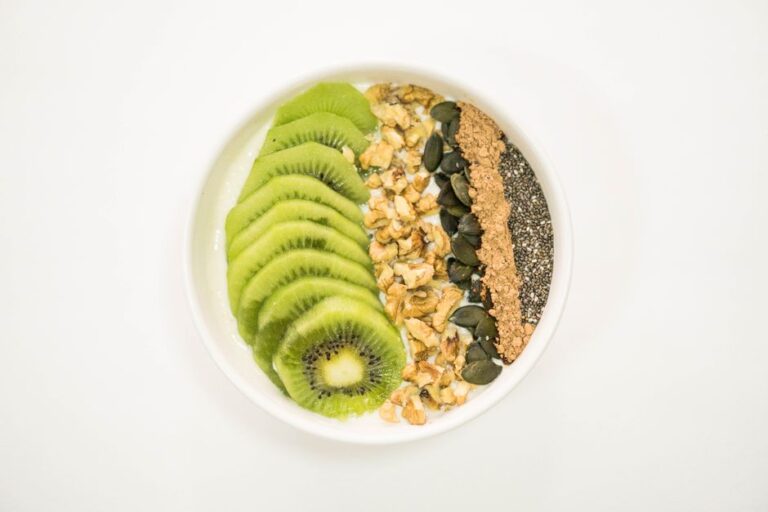
- Secure ALA daily: Add 1–2 tablespoons of ground flaxseed or chia to yogurt, oats or smoothies, or include a small handful of walnuts.
- Swap refined foods: Replace ultra-processed snacks and fried items with whole foods that naturally deliver a better mix of fats and antioxidants.
- Balance your oils: Use extra-virgin olive oil for dressings and low to medium-heat cooking, and canola or high-oleic sunflower/safflower for neutral-flavor needs to avoid overwhelming LA intake.
- Leverage synergistic nutrients: Eat colorful vegetables, legumes and whole grains to provide polyphenols, fiber and minerals that support a healthy inflammatory response.
Anti-inflammatory meal pattern ideas
- Breakfast: Oatmeal cooked with milk or fortified plant milk, topped with ground flaxseed, berries and walnuts.
- Lunch: Lentil and arugula salad with cherry tomatoes, olives and grilled trout; extra-virgin olive oil and lemon dressing.
- Dinner: Baked salmon with herbs, quinoa, and a side of roasted vegetables tossed in olive oil.
- Snacks: Plain yogurt with chia, hummus with carrots, a small handful of mixed nuts.
Choosing and Using Cooking Oils Wisely
Oil selection and kitchen tactics
- Olive oil: Rich in monounsaturated fat and polyphenols; versatile for dressings, sautéing and roasting at moderate temperatures.
- Canola oil: Neutral flavor, contains some ALA; useful for baking and light sautéing.
- High-oleic sunflower or safflower oil: Lower in omega-6 than standard versions; good for higher-heat applications.
- Avocado oil: High in monounsaturated fats; suitable when a higher smoke point is desired.
Rotate oils to match the cooking method, and pair oil choices with weekly fish intake so omega-3s consistently show up on your plate.
Storage and freshness
- Buy oils in dark bottles, keep them cool and tightly sealed, and avoid long exposure to heat and light.
- Use opened bottles within a few months; discard any oil with a bitter, paint-like or stale aroma.
Supplements: When They Help and When to Be Careful
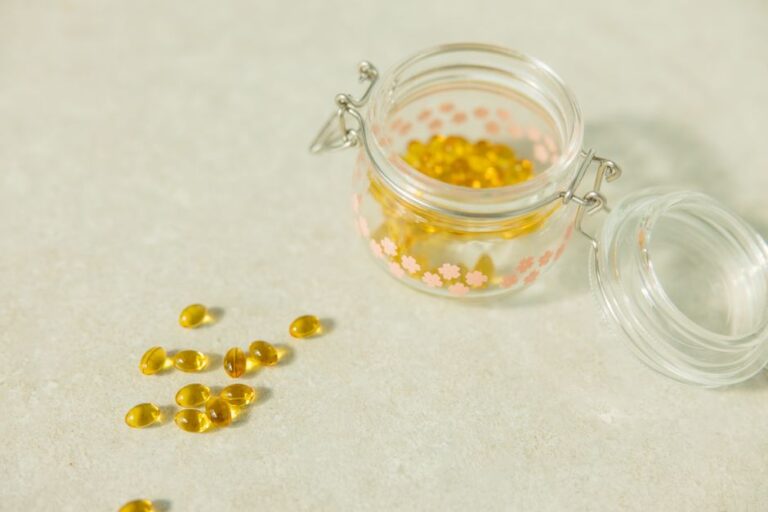
Fish oil, krill oil and algae oil
- Who may benefit: People who rarely eat fish, those with elevated triglycerides under clinical guidance and individuals following vegan or vegetarian diets using algae-derived EPA/DHA.
- Quality matters: Select products tested for purity and oxidation, with clear EPA and DHA amounts per serving and transparent third-party verification.
- Safety first: High doses can affect bleeding risk and interact with anticoagulants or certain medications. Discuss dosage and timing with a qualified clinician, especially before surgery or if pregnant, breastfeeding or managing chronic conditions.
Special Considerations Across Life Stages and Lifestyles
Pregnancy, lactation and childhood
DHA supports fetal and infant brain and eye development. Many professional bodies recommend ensuring reliable DHA intake during pregnancy and lactation, typically via low-mercury seafood or algae-based supplements under healthcare supervision.
Athletes and active adults
Regular training increases recovery needs. A diet emphasizing seafood, olive oil, legumes, whole grains and colorful produce can help modulate inflammation and support performance, with individualized omega-3 strategies guided by a sports dietitian as needed.
Vegetarian and vegan approaches
- Use ALA-rich staples daily: ground flaxseed, chia, hemp and walnuts.
- Consider algae-based EPA/DHA to ensure consistent long-chain omega-3 status.
- Emphasize whole-food sources of omega-6, such as nuts and seeds, while moderating reliance on high-LA refined oils.
Putting the Omega-3 vs Omega-6 Ratio Into Practice
Simple rules that create lasting change
- Eat seafood twice per week or take algae oil if fish-free.
- Build ALA into breakfast or snacks every day.
- Center meals on vegetables, legumes, whole grains and nuts, using olive oil as your default fat.
- Limit ultra-processed snacks and commercial fried foods that skew overall fat quality.
- Track what you actually eat for a week, then adjust one habit at a time.
Frequently Asked Questions
Is omega-6 inherently inflammatory and should I avoid seed oils?
No. Typical dietary amounts of omega-6, particularly from whole foods like nuts and seeds, do not appear to increase inflammatory markers in controlled studies. The priority is to obtain enough omega-3s and to favor minimally processed foods. If you use seed oils, choose fresh, store them properly and avoid frequent high-heat deep-frying.
What is a realistic omega-6 to omega-3 ratio to aim for?
There is no universally agreed ideal ratio. A practical goal is to ensure adequate EPA and DHA from seafood or algae while keeping a balanced overall fat pattern. When omega-3 intake is sufficient and your diet emphasizes whole foods, the exact ratio becomes far less critical.
Can ALA from plants fully replace fish or algae omega-3s?
ALA is valuable, but the body converts only a limited amount to EPA and DHA. Include ALA-rich foods daily, and if you do not eat