This expert guide explains the best protein sources for vegetarians, how to make complete amino acid pairings, exact portion sizes to use at meals, and budget-friendly examples that fit an active lifestyle. You will find practical templates, clear serving suggestions, and tips to meet daily protein needs without supplements, while respecting a food-first, evidence-informed approach.
Vegetarian Protein Sources With High-Quality Amino Acids
Vegetarians can meet protein needs through a mix of complete proteins and complementary pairings. The options below include typical portion sizes and approximate protein ranges. Always check food labels and adjust for individual energy needs.
Complete proteins for vegetarians
- Eggs (2 large): approximately 12 g protein. Versatile for breakfast, bowls, or salads.
- Dairy (vegetarian, not vegan):
- Greek yogurt (170 g or ~3/4 cup): approximately 15–20 g protein.
- Cottage cheese (1/2 cup): approximately 12–14 g protein.
- Milk (1 cup): approximately 8 g protein.
- Soy foods:
- Firm tofu (100 g): approximately 12–14 g protein.
- Tempeh (100 g): approximately 18–20 g protein.
- Edamame (1 cup, shelled): approximately 15–18 g protein.
- Other complete plant foods:
- Quinoa (1 cup cooked): approximately 8 g protein.
- Buckwheat (1 cup cooked): approximately 5–6 g protein.
- Seitan (100 g, wheat gluten; suitable for many vegetarians): approximately 20–25 g protein.
Complementary plant proteins to cover all essential amino acids
- Grains + legumes: rice with beans, whole-wheat pasta with lentils, corn tortillas with black beans.
- Legumes + nuts or seeds: chickpeas with tahini (hummus), lentils with walnuts or pumpkin seeds.
- Grains + dairy: oats with milk or Greek yogurt, whole-grain bread with cottage cheese.
- Soy + grains: tofu with brown rice, edamame with quinoa.
These pairings do not need to be eaten in the same bite. Including them across a meal or within the day supports a complete amino acid pattern.
Exact Portion Sizes: Practical Serving Guides for Active Vegetarians
Portion sizes below help construct meals that typically provide a meaningful amount of protein for recovery, satiety, and body composition goals. Adjust up or down based on appetite, training load, and total energy needs.
Legumes and pulses (cooked)
- Lentils (1 cup): approximately 17–19 g protein.
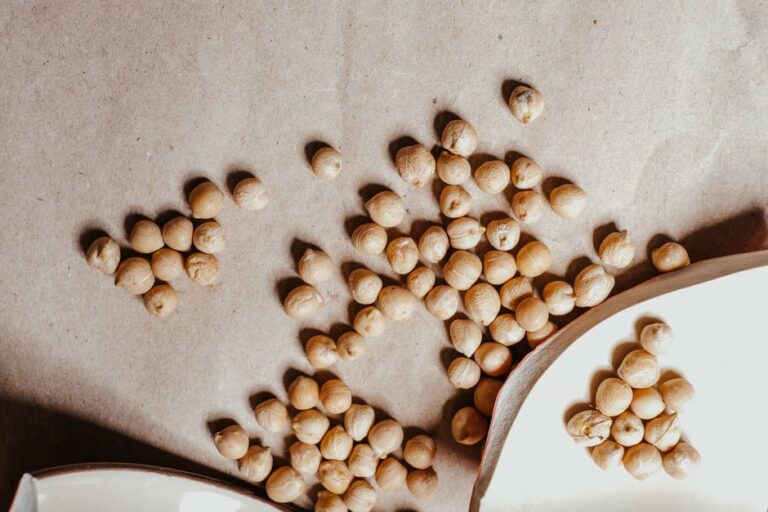
- Chickpeas (1 cup): approximately 14–15 g protein.
- Black or pinto beans (1 cup): approximately 14–16 g protein.
- Split peas (1 cup): approximately 16–17 g protein.
Soy foods and alternatives
- Firm tofu (150 g): approximately 18–21 g protein.
- Tempeh (150 g): approximately 27–30 g protein.
- Edamame (1 cup): approximately 15–18 g protein.
- Seitan (120 g): approximately 24–30 g protein.
Dairy and eggs (if included)
- Greek yogurt (200 g): approximately 18–22 g protein.
- Cottage cheese (3/4 cup): approximately 18–21 g protein.
- Milk (1.5 cups): approximately 12 g protein.
- Eggs (3 large): approximately 18 g protein.
Grains, nuts, and seeds
- Quinoa (1 cup cooked): approximately 8 g protein.
- Oats (1/2 cup dry, then cooked): approximately 5–7 g protein.
- Whole-wheat pasta (2 cups cooked): approximately 14–16 g protein.
- Peanut butter (2 tbsp): approximately 7–8 g protein.
- Mixed nuts (28 g): approximately 4–6 g protein.
- Hemp seeds (3 tbsp): approximately 9–10 g protein.
These figures are common averages. Brand, preparation, and moisture can shift numbers, so packaging and nutrition databases can help fine-tune planning.
Complete Amino Acid Pairings: Ready-to-Use Templates
Use these pairings to build meals that cover all essential amino acids while supporting energy and recovery. Each line provides exact portion sizes as a starting template.
Grain and legume pairings
- Brown rice + black beans: 1 cup cooked rice + 1 cup cooked black beans + 1 cup sautéed peppers and onions.
- Whole-wheat pasta + lentils: 2 cups cooked pasta + 3/4 cup cooked lentils + tomato sauce + 1 tbsp olive oil.
- Corn tortillas + pinto beans: 3 small tortillas + 3/4 cup pinto beans + cabbage slaw + salsa.
Legume and seed or nut pairings
- Hummus and pita: 1 whole-wheat pita + 1/2 cup hummus + cucumber and tomato salad.
- Lentil salad with seeds: 1 cup cooked lentils + 2 tbsp pumpkin or sunflower seeds + leafy greens + vinaigrette.
- Peanut noodle bowl: 1.5 cups cooked soba or whole-wheat noodles + 1/2 cup edamame + 1.5 tbsp peanut butter sauce + veggies.
Soy-centered complete options
- Tofu and quinoa: 150 g baked firm tofu + 1 cup cooked quinoa + broccoli.
- Tempeh stir-fry with brown rice: 150 g tempeh + 1 cup cooked brown rice + mixed vegetables + soy sauce.
- Edamame grain bowl: 1 cup shelled edamame + 1 cup cooked farro or barley + carrots + sesame dressing.
Dairy and egg combinations (if included)
- Greek yogurt parfait: 200 g Greek yogurt + 1/3 cup granola + 1 tbsp chia seeds + berries.
- Egg and bean breakfast tacos: 2 eggs scrambled + 1/2 cup black beans + 2 corn tortillas + salsa.
- Cottage cheese toast: 3/4 cup cottage cheese + 2 slices whole-grain toast + sliced tomato and olive oil.
Exact Portion Targets Per Meal: Simple Ranges for Active People
Many active adults do well aiming for approximately 20–35 g of protein per main meal, with a protein-rich snack as needed around training. The templates above reach that range for most people when portions are followed. Needs vary by body size, training volume, and total energy intake, so individual verification is recommended.
Quick assembly rules
- Choose a primary protein anchor (tofu, tempeh, eggs, Greek yogurt, beans, or seitan).
- Add a complementary carb source (whole grains, starchy vegetables, or fruit) for training fuel.
- Include a color goal (at least two vegetables or one fruit) for fiber and micronutrients.
- Finish with healthy fats (olive oil, nuts, seeds, avocado) for satiety and flavor.
Budget-Friendly Vegetarian Meal Examples With Shopping Tips
Building high-protein vegetarian meals can be affordable with pantry staples, bulk buys, and simple seasonings. The suggestions below favor shelf-stable items, frozen produce, and minimal waste.
Low-cost meal ideas with portions
- One-pot lentil pasta: 2 cups cooked whole-wheat pasta + 3/4 cup cooked lentils + canned tomato + garlic + spinach.
- Rice and bean skillet: 1 cup cooked brown rice + 1 cup cooked pinto or black beans + frozen peppers + cumin.
- Tofu vegetable stir-fry: 150 g firm tofu + 2 cups mixed frozen vegetables + 1 cup cooked rice + soy sauce and ginger.
- Egg and quinoa bowl: 2 eggs + 1 cup cooked quinoa + roasted carrots + parsley or scallions.
- Greek yogurt bowl: 200 g Greek yogurt + 1/2 cup oats (overnight) + 1 tbsp peanut butter + banana slices.
Smart shopping checklist
- Buy dry legumes (lentils, beans, split peas) in bulk; cook large batches and freeze in 1-cup portions.
- Choose store brands for oats, brown rice, whole-wheat pasta, and canned tomatoes.
- Rotate soy options (tofu, tempeh, edamame) based on weekly promotions or discounts.
- Use frozen vegetables to cut waste and prep time while keeping nutrients and cost in check.
- Keep flavor boosters like onions, garlic, paprika, curry powder, and soy sauce to vary similar base ingredients.
Vegetarian Protein Timing and Practical Strategies
Distribute protein across meals for steadier energy and recovery. A balanced plate at breakfast, lunch, and dinner, plus a protein-forward snack as needed around training, is a simple structure that works for many active people.
Convenient snack ideas
- Roasted chickpeas: 3/4 cup roasted chickpeas + fruit.
- Cottage cheese or Greek yogurt: 3/4 cup cottage cheese or 200 g yogurt + cinnamon and sliced apple.
- Edamame: 1 cup steamed edamame with sea salt.
- Peanut butter toast: 2 tbsp peanut butter on whole-grain toast + chia sprinkle.
How to scale portions without guesswork
- Increase the anchor protein first (add 50–100 g tofu or tempeh, 1 egg, 1/2 cup beans, or 100 g extra yogurt).
- Match training days with slightly larger carb portions while keeping vegetables and hydration consistent.
- Use measuring cups for cooked grains and legumes until portions become intuitive.
Safety, Individualization, and When to Seek Guidance
Protein needs vary with age, training phase, body size, and dietary pattern. People with medical conditions or specific nutrient concerns should confirm targets with a qualified professional. For packaged foods, rely on nutrition labels for the most accurate values.
Nutrient balance reminders
- Include iron, zinc, iodine, calcium, vitamin B12, and omega-3 sources appropriate to your vegetarian pattern.
- Combine fiber-rich foods with fluids and steady meals to support digestion.
- If using protein-fortified products, evaluate ingredient quality and sodium content, and compare labels.
Frequently Asked Questions
Do vegetarians need to combine proteins at every meal to get all essential amino acids?
No. Complementary proteins can be eaten across a meal or throughout the day. Grains with legumes, legumes with nuts or seeds, soy-based meals, and dairy with grains are reliable patterns to cover all essential amino acids.
What are the simplest high-protein vegetarian breakfast options?
Greek yogurt with oats and seeds, scrambled eggs with beans and tortillas, cottage cheese on whole-grain toast, or tofu scramble with vegetables and toast are convenient, protein-rich starts to the day.
How much protein per meal is practical for active adults?
A common, workable range is approximately 20–35 g of protein per main meal, adjusted to appetite and training load. Use the portion templates to reach that range and verify with food labels as needed.
Are plant proteins enough for strength and endurance goals?
Yes. With adequate total intake and smart combinations, plant proteins support training, recovery, and body composition. Soy foods, dairy and eggs (if included), legumes, and grains can be arranged to meet goals.
What budget tips help keep vegetarian protein affordable?
Buy dry legumes and cook in bulk, choose store brands for grains, rely on frozen vegetables, rotate soy products based on discounts, and flavor with spices to keep variety without increasing cost.