Mastering electrolytes can transform endurance performance by sustaining fluid balance, nerve function, and muscle contraction while reducing cramping risk and fatigue. This complete guide for activenutri.app explains practical sodium targets, evidence-informed hydration timing, and food-first strategies tailored to runners, cyclists, triathletes, and ultra-endurance athletes seeking dependable, up-to-date nutrition practices.
Why electrolytes matter for endurance performance
Electrolytes such as sodium, potassium, magnesium, and calcium regulate fluid distribution, support nerve signaling, and enable efficient muscle contractions over long durations. When levels drift too low relative to fluid intake, performance declines and the risk of hyponatremia rises, especially during hot or long events.
Sodium is the priority for most endurance athletes because it is lost in the greatest amounts through sweat and strongly influences plasma volume and thirst. Potassium, magnesium, and calcium also matter, but their sweat losses are typically much lower and are more readily met by a balanced diet.
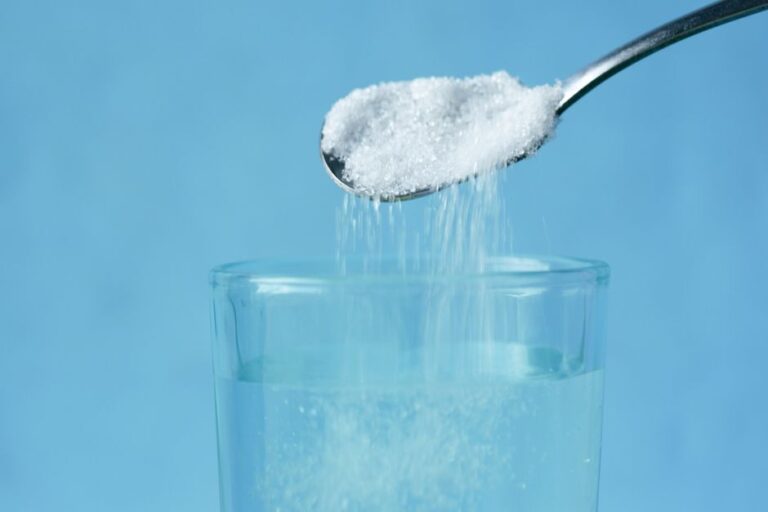
Sodium Targets for Endurance Athletes
Understanding sweat sodium and individual variability
Sweat sodium concentration varies widely among athletes due to genetics, acclimation to heat, training status, and diet. Some athletes are “salty sweaters” who lose more visible salt on clothing and gear and often crave salty foods after training. Others lose much less. Because of this spread, sodium strategies should be individualized rather than uniform.
A practical starting point for most athletes during sustained endurance sessions is to target a moderate sodium intake per hour and then adjust based on conditions, body size, sweat rate, and observed response. Hot environments, long durations, larger body mass, high sweat rates, and a history of salt-crusted clothing typically call for the upper end of intake ranges.
Evidence-informed hourly sodium ranges
- Moderate conditions and average sweaters: Consider approximately 300–600 mg sodium per hour during efforts exceeding 60–90 minutes.
- Hot conditions, heavy or salty sweaters, or efforts beyond three hours: Consider approximately 600–1,000 mg sodium per hour, and assess tolerance and effectiveness.
- Short sessions under one hour: Most athletes do not require targeted sodium intake beyond normal diet, unless practicing race fueling or training in heat.
These ranges are intended as starting points and should be refined by monitoring thirst, weight change, urine color and frequency, perceived exertion, and any signs of bloating, sloshing, or cramping. Athletes following low-sodium diets may need gradual acclimation to higher race-day intakes, while those with high baseline sodium intake may tolerate the upper ranges more easily.
How to estimate your personal sodium needs
- Weigh-in method for sweat rate: Weigh nude and dry immediately before and after a representative session. Track all fluid consumed and any urine produced. Sweat rate ≈ (pre weight − post weight + fluid in − urine out) per hour.
- Signs of high sodium loss: Salt stains on clothing or skin, stinging eyes from sweat, strong salt cravings post-exercise, cramps in hot conditions despite adequate fluid, or consistently high weight loss despite drinking.
- Iterative testing: Start within the ranges above and adjust sodium per hour in small steps (for example, ±150–200 mg) across repeated sessions under similar conditions until you find the intake that stabilizes weight, reduces perceived effort, and maintains a steady, comfortable thirst.
Hydration Timing and Fluid Strategy for Endurance
Pre-exercise hydration with sodium
Arrive at the start line well-hydrated without overdrinking. A practical approach is to drink regularly throughout the day before training, then consume a modest, sodium-containing beverage in the hours leading up to exercise. Many athletes benefit from a light sodium top-up about two hours before start time, especially in heat or when starting the session early after an overnight fast.
- General practice: Steady fluid intake during the day, pale-yellow urine, and a pre-session beverage with sodium to support fluid retention.
- For early morning starts: A small sodium-containing drink upon waking can help offset overnight losses without causing gastrointestinal discomfort.
During-exercise hydration: drink to needs
During exercise, aim to replace enough fluid to limit body mass loss while avoiding overconsumption. Drinking to thirst, guided by prior sweat-rate knowledge, helps balance performance and safety. Pairing fluids with appropriate sodium supports plasma volume and maintains drive to drink in hot conditions.
- Monitor body mass change: Keeping losses around 2% or less is a common and practical benchmark for many athletes, while avoiding weight gain from excessive fluid intake.
- Match sodium with conditions: Use the hourly sodium ranges as a guide and consider higher intakes in the heat or for long events when sweat sodium losses accumulate.
- Use simple checkpoints: Ask yourself every 15–20 minutes whether you feel thirsty, whether your mouth feels dry, and whether your stomach feels comfortable. Adjust sips accordingly.
Post-exercise rehydration and sodium replacement
Rehydration is more efficient when fluids include sodium. Replacing both fluid and sodium supports plasma volume restoration and reduces excessive urine output. Foods and drinks with salt can be strategically combined to recover without gastrointestinal discomfort.
- Practical target: Replace the fluid you lost over the next few hours using beverages with sodium, and include a salty meal or snack.
- Real-world approach: Combine a recovery drink or milk with a savory meal, such as soup with bread, a rice bowl with soy sauce, or eggs with salted potatoes.
- Monitor recovery: Aim for pale-yellow urine, return of normal thirst, and stable body mass by later in the day or the following morning.
Food-First Strategies for Electrolytes
Salty foods that support sodium needs
While sports drinks and electrolyte capsules are convenient, a food-first strategy is effective for training and recovery meals. Many athletes find a blend of foods and targeted products works best across different training contexts.
- Savory staples: Salted potatoes, broths, soups, pretzels, olives, pickles, fermented vegetables, and tomato juice.
- Condiments: Table salt, soy sauce or tamari, miso, mustard, and salsa used intentionally on meals.
- Portable options: Salted rice balls, cheese with crackers, turkey sandwiches, and salted nut butter on bread or rice cakes.
Potassium, magnesium, and calcium from whole foods
Most endurance athletes can meet non-sodium electrolyte needs through a varied diet. Emphasize minimally processed foods that deliver potassium, magnesium, and calcium to support muscle and bone health.
- Potassium: Potatoes, sweet potatoes, bananas, oranges, tomatoes, beans, lentils, yogurt, and leafy greens.
- Magnesium: Nuts, seeds, legumes, whole grains, dark chocolate or cocoa, and leafy greens.
- Calcium: Dairy milk, yogurt, kefir, cheese, calcium-set tofu, fortified plant milks, and small canned fish with bones.
Integrating food and products across training phases
- Pre-session: A balanced meal with salt and a familiar beverage. Examples include oatmeal with yogurt and salted nut butter, or eggs with toast and avocado with a pinch of salt.
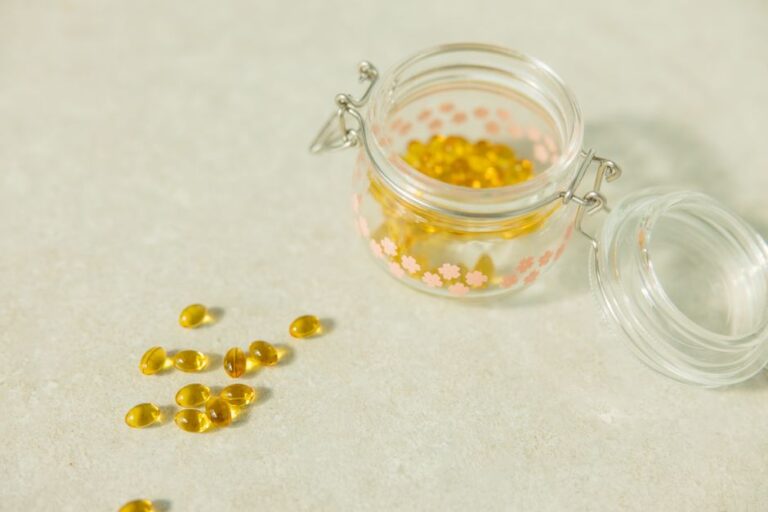
- During long or hot sessions: Pair a carbohydrate drink with added sodium or use electrolyte capsules alongside water, and supplement with salty foods if tolerated, such as small salted potatoes or pretzels.
- Post-session: Rehydrate with sodium-containing fluids and a salty, protein-rich meal to accelerate fluid and glycogen restoration.
Practical Planning: Testing, Tolerance, and Environment
Create your personal electrolyte playbook
- Baseline assessment: Track sweat rate in cool and hot conditions and note subjective signs of salt loss.
- Build simple ranges: Define an hourly sodium range for cool, temperate, and hot scenarios and list products or foods that meet each target.
- Train the gut: Practice the exact fluids, sodium doses, and foods you intend to race with, adjusting volumes and concentrations gradually to improve tolerance.
- Heat acclimation: As you adapt to heat, sweat rate often rises while sweat sodium concentration can decrease. Reassess and fine-tune intakes over a few weeks.
- Race-day logistics: Pack backups. Combine sources so you can meet both carbohydrate and sodium goals even if aid-station offerings differ from plan.
Warning signs and how to respond
- Overdrinking risk: Rapid weight gain during an event, bloating, nausea, or a feeling of sloshing may indicate excessive fluid intake. Slow fluid intake, increase sodium if appropriate, and allow thirst to guide the next sips.
- Underdinking risk: Headache, dry mouth, dizziness on standing, and dark urine post-session suggest insufficient fluid. Increase fluids with sodium during similar future efforts.
- Cramping considerations: Muscle cramps are multifactorial. If cramps occur in the heat with heavy sweat, trial modest sodium increases and evaluate pacing, conditioning, carbohydrate intake, and neuromuscular fatigue.
Special considerations and medical factors
Athletes with high blood pressure or those advised to limit sodium should consult a qualified clinician or sports dietitian before adopting higher sodium strategies. Certain medications and medical conditions alter fluid and electrolyte handling. Personalization with professional guidance ensures both performance and health are protected.
Putting It All Together: A Simple Framework
Three-step electrolyte framework for endurance events
- Before: Arrive hydrated with a sodium-inclusive meal and beverage in the hours prior. For early starts, add a small sodium-containing drink upon waking.
- During: Drink to thirst informed by known sweat rates. Target approximately 300–600 mg sodium per hour in moderate conditions, up to about 600–1,000 mg per hour in heat or for salty sweaters, and adjust based on feedback and body mass changes.
- After: Rehydrate with sodium-containing fluids and a salty meal to restore plasma volume and support recovery, monitoring urine color and body mass as simple checks.
By testing in training, noting your body’s signals, and blending food-first choices with targeted products, you can build a reliable electrolyte plan that holds up from the first mile to the finish line.
Frequently Asked Questions
How do I know if I am a salty sweater?
Common signs include visible salt stains on clothing, a gritty feel on the skin after drying, stinging eyes from sweat, and strong cravings for salty foods post-exercise. If these occur alongside high sweat rates, you likely benefit from the upper end of hourly sodium ranges, especially in heat.
Can I rely only on water if I eat salty foods?
Some athletes can meet sodium needs by combining salted foods with water, particularly during training. For races, many prefer the consistency of sports drinks or electrolyte capsules because dosing is simpler and more predictable under stress. Practice both approaches and choose what you tolerate best.
What if I feel bloated or nauseated after taking electrolytes?
Reduce the dose per serving, spread intake more evenly, and check the drink’s concentration. Highly concentrated mixes or large boluses can slow gastric emptying. Pairing moderate sodium with appropriate fluid volumes usually improves comfort.
Do I need different sodium targets for cold weather?
Sweat rates often drop in the cold, so sodium needs per hour may be lower. Start at the low to middle end of your personal range and adjust based on body mass change, thirst, and urine observations, keeping in mind that layers and wind can still elevate sweat loss.
How far in advance should I start pre-hydrating?
Begin the day before with steady fluid intake and normal salting of meals. In the final two to four hours pre-session, include a sodium-containing beverage and a balanced meal or snack so you arrive well-hydrated without excessive bathroom trips or stomach fullness.