Relieving irritable bowel syndrome often requires a strategic approach to food that calms the gut, nurtures a balanced microbiome and reduces gas, bloating and irregularity. This expert guide explains the best prebiotic and probiotic foods for IBS, what to eat and avoid during flares, and a practical 7-day sample menu that aligns with low-FODMAP principles while building digestive resilience.
IBS, the Microbiome and FODMAPs: How Food Choice Drives Symptoms
IBS symptoms can be triggered by fermentable carbohydrates, gut hypersensitivity and stress-related changes in motility. Many people benefit from a low-FODMAP framework, especially early on, to identify personal triggers before liberalizing intake.
Why Prebiotics and Probiotics Matter for IBS
Prebiotics feed beneficial bacteria that help produce short-chain fatty acids linked to gut barrier integrity. Probiotics add live microbes that may reduce bloating, support regularity and modulate immune signaling in the gut.
- Prebiotics: Non-digestible fibers and polyphenols that selectively nourish beneficial microbes.
- Probiotics: Live microorganisms from foods or supplements that confer a benefit when consumed in adequate amounts.
Evidence-Based, Not One-Size-Fits-All
Responses to prebiotic and probiotic foods vary in IBS. Some individuals tolerate only small amounts of fermentable fibers initially, while others benefit quickly. Introduce changes gradually, track symptoms and adjust with professional guidance if needed.
Best Prebiotic Foods for IBS Relief
Prebiotic fibers can be powerful allies for long-term gut health, but portion size and food choice matter. Start low, go slow and increase as tolerated.
Low-FODMAP-Friendly Prebiotic Options
- Oats: Provides beta-glucan for gentle fermentation and improved stool consistency.
- Kiwi: Offers fiber and enzymes that may support regularity with generally good tolerance.
- Unripe bananas: Rich in resistant starch before fully ripening, which can be easier to tolerate.
- Potatoes and rice cooled after cooking: Cooling increases resistant starch; reheat if desired while keeping the resistant starch mostly intact.
- Chia and flax seeds: Mucilaginous fibers support stool form and are typically well tolerated in modest amounts.
- Carrots, zucchini and eggplant: Lower-FODMAP vegetables with prebiotic fibers suitable for sensitive digestion.
- Blueberries and strawberries: Polyphenols and fiber nourish beneficial microbes with relatively gentle fermentation.
Prebiotic Foods to Trial Cautiously
- Legumes such as lentils and chickpeas can be gas-forming; soaking, rinsing and small portions may improve tolerance.
- Whole wheat and rye are rich in fructans; some tolerate sourdough rye better than standard breads.
- Onions, garlic and leeks are potent prebiotics but high in FODMAPs; use infused oils for flavor without the fermentable sugars.
Best Probiotic Foods for IBS Relief
Fermented foods may aid symptom management by diversifying the microbiota and supporting a calmer gut environment. Choose options with live active cultures and test small portions first.
Probiotic Foods Often Better Tolerated in IBS
- Lactose-free yogurt with live cultures can deliver beneficial microbes without lactose triggers.
- Kefir, including lactose-free or low-lactose varieties, may support regularity and reduce bloating for some.
- Tempeh provides fermented soy with a firm texture and generally favorable tolerance.
- Miso offers live cultures when added to warm, not boiling, liquids; start with small amounts.
- Sauerkraut and kimchi can be helpful in small servings; rinse if spice or salt content is a concern.
- Traditional brined pickles made without vinegar can supply live cultures; check labels for “naturally fermented.”
Tips for Adding Fermented Foods Without Flares
- Introduce one fermented food at a time and observe symptoms for several days.
- Begin with a small portion and increase only if comfortable.
- Pair fermented foods with meals rather than on an empty stomach to reduce sensitivity.
What to Eat for IBS: Practical Plate-Building
Build meals that stabilize energy, slow fermentation and support gut comfort. Aim for a balance of protein, low-FODMAP fiber, healthy fats and gentle carbohydrates.
Core Meal Components That Often Work Well
- Lean proteins: Eggs, poultry, fish, firm tofu and tempeh support satiety without excess fermentation.
- Low-FODMAP carbs: Rice, potatoes, quinoa, oats and corn provide steady fuel.
- Vegetables: Carrots, spinach, bell peppers, zucchini and tomatoes are generally easier to tolerate.
- Fats: Olive oil, avocado in modest portions, chia and flax help motility and absorption of fat-soluble nutrients.
- Flavor: Garlic-infused oil, herbs, ginger and citrus zest add depth without high-FODMAP triggers.
Hydration and Meal Timing
- Drink water regularly through the day to support stool consistency and comfort.
- Prefer smaller, evenly spaced meals to reduce distension and bloating.
- Allow calm eating time to leverage the gut-brain axis for better motility.
What to Limit or Avoid With IBS
Certain foods can intensify bloating, pain or urgency by increasing gas production or drawing water into the bowel. Personal thresholds vary, so use these as starting points.
Common High-FODMAP Triggers
- Onions and garlic in large amounts or pieces rather than infused oils.
- Wheat-based breads and pastries that are not sourdough.
- Apples, pears and stone fruit that are rich in fermentable sugars.
- Honey, high-fructose corn syrup and sugar alcohols such as sorbitol, mannitol, xylitol and maltitol.
- Regular milk and soft cheeses if lactose intolerant; choose lactose-free options.
Other Considerations
- High-fat fried foods can aggravate motility and symptoms.
- Alcohol and caffeine may worsen urgency or cramping for some individuals.
- Artificial sweeteners in “diet” foods can be provocative; check labels for polyols.
7-Day Sample Menu for IBS Relief With Prebiotics and Probiotics
This example menu emphasizes low-FODMAP foundations with gradual prebiotic fiber and fermented foods. Adjust portions and ingredients to your tolerance and energy needs.
Day 1
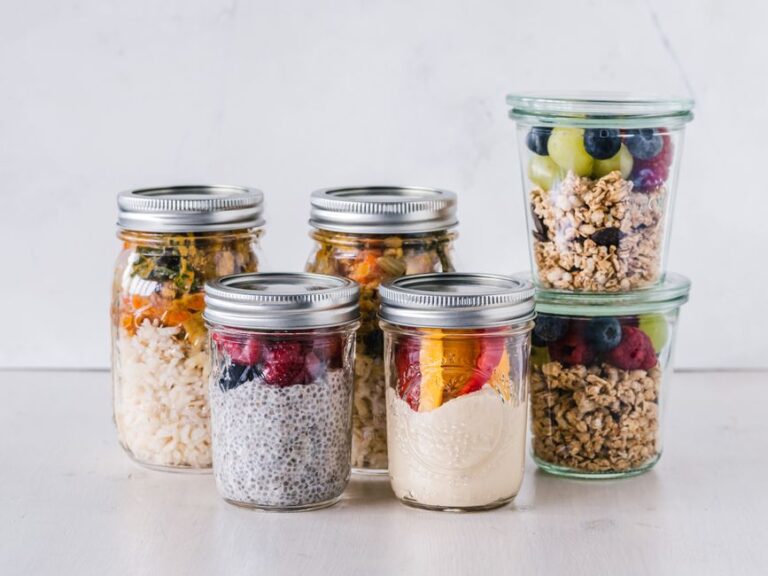
- Breakfast: Overnight oats with lactose-free milk, chia seeds and blueberries.
- Lunch: Grilled chicken salad with spinach, cucumber, carrots and garlic-infused olive oil vinaigrette.
- Snack: Lactose-free yogurt with a few sliced strawberries.
- Dinner: Baked salmon, roasted potatoes and sautéed zucchini with lemon.
Day 2
- Breakfast: Scrambled eggs with tomatoes and chives; gluten-free toast with olive oil.
- Lunch: Sushi-style bowl with rice, cucumber, avocado in a modest portion and tempeh; tamari drizzle.
- Snack: Kiwi fruit and a small handful of walnuts.
- Dinner: Turkey meatballs in tomato-basil sauce over polenta; side salad of arugula.
Day 3
- Breakfast: Smoothie of lactose-free kefir, unripe banana, spinach and ground flax.
- Lunch: Quinoa bowl with roasted carrots, bell peppers and grilled shrimp.
- Snack: Traditional brined pickle and rice crackers.
- Dinner: Stir-fried firm tofu with ginger, bok choy and carrots over jasmine rice.
Day 4
- Breakfast: Oat porridge topped with sliced unripe banana and cinnamon.
- Lunch: Baked potato with cottage cheese made from lactose-free milk and chives; side of steamed green beans.
- Snack: Small serving of sauerkraut alongside turkey slices.
- Dinner: Grilled cod, quinoa and roasted eggplant with herb-infused oil.
Day 5
- Breakfast: Two eggs, sautéed spinach and gluten-free toast with garlic-infused oil.
- Lunch: Rice noodle salad with cucumbers, carrots, firm tofu and a miso-ginger dressing added warm, not boiling.
- Snack: Strawberries and a few pumpkin seeds.
- Dinner: Roasted chicken thighs, rosemary polenta and roasted carrots.
Day 6
- Breakfast: Lactose-free yogurt parfait with oats, chia and blueberries.
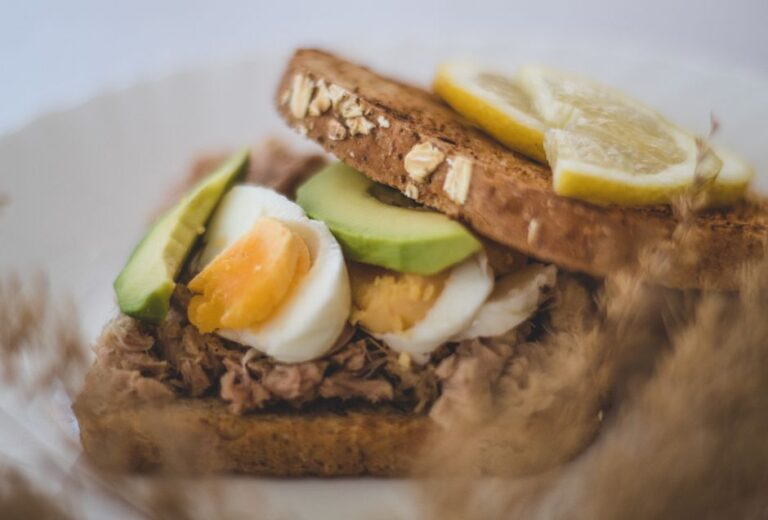
- Lunch: Turkey and cheddar on gluten-free bread with lettuce and mustard; side of cherry tomatoes.
- Snack: Rice cake with peanut butter in a modest portion.
- Dinner: Baked tempeh with maple-tamari glaze, brown rice and sautéed zucchini.
Day 7
- Breakfast: Kefir smoothie with blueberries, oats and ginger.
- Lunch: Grilled salmon salad with mixed greens, cucumbers, carrots and lemon-olive oil dressing.
- Snack: Kiwi or a small portion of unripe banana.
- Dinner: Lean beef or lentil bolognese made low-FODMAP served over rice pasta; test a small portion if using lentils.
Smart Strategies for Introducing Prebiotics and Probiotics
Introduce one variable at a time and increase doses gradually to reduce the chance of flares and to learn your personal thresholds.
Practical Tips That Improve Tolerance
- Start low, go slow: Increase fiber or fermented foods in small steps every few days as tolerated.
- Cook for comfort: Roasting, stewing and sautéing can make vegetables easier to digest than raw versions.
- Pair fibers with fluids: Water helps fibers form comfortable stool consistency.
- Track and personalize: Use a simple log to link foods, portions and symptom timing.
Supplements, Medications and When to Seek Help
Some people consider probiotic supplements alongside or instead of fermented foods. Responses vary, and certain strains have been studied in IBS, but food-first approaches are reasonable starting points.
Safety and Professional Guidance
- If you take medications or are immunocompromised, discuss probiotics with your clinician before use.
- Consider a dietitian experienced in IBS and low-FODMAP protocols for structured reintroduction and personalization.
- Seek medical evaluation for red flags such as unexplained weight loss, blood in stool, persistent fever or anemia.
Frequently Asked Questions