Discover a clear, science-grounded roadmap to optimize omega-3 intake with practical advice on EPA versus DHA, age- and goal-based daily targets, and the best food and supplement sources. This authoritative guide from activenutri.app explains how to choose wisely, dose safely, and build an evidence-informed strategy for brain, heart, eye, and metabolic health without guesswork.
Omega-3 Basics: What EPA and DHA Do and Why They Matter
Omega-3 fatty acids are essential fats your body cannot make in sufficient amounts, so you must obtain them from food or supplements. The most physiologically active omega-3s are EPA (eicosapentaenoic acid) and DHA (docosahexaenoic acid), found primarily in marine sources such as fatty fish and certain algae.
EPA is often associated with supporting a healthy inflammatory response and cardiometabolic markers. DHA is a structural fat concentrated in the brain and retina, supporting cognitive function and visual health. Both fats work together, and most people benefit from a combined approach rather than an either-or choice.
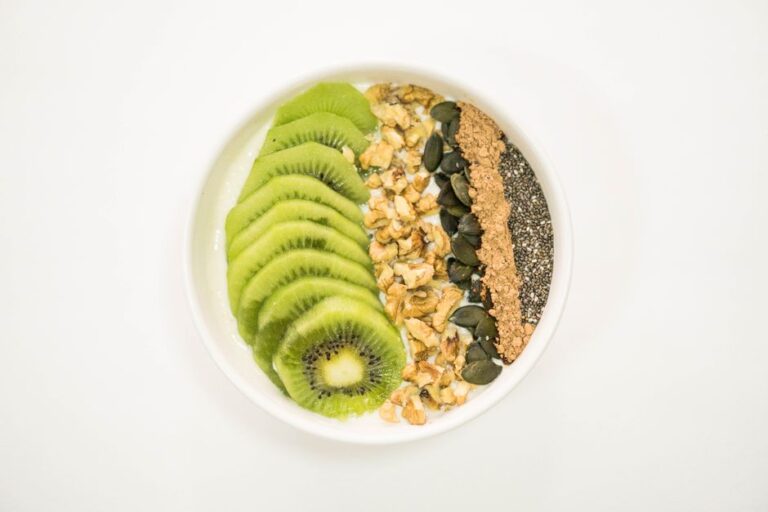
Plant sources provide ALA (alpha-linolenic acid), a shorter-chain omega-3 found in flax, chia, hemp, and walnuts. The body can convert ALA to EPA and DHA, but the conversion is limited, which is why direct sources of EPA and DHA are useful, especially for specific life stages and goals.
How Much Omega-3 Do You Need? Daily Targets by Age and Goal
Daily needs vary by age, life stage, dietary pattern, and health goals. Many public health guidelines advise eating fatty fish at least twice per week, which averages to about 250 mg per day of combined EPA and DHA for generally healthy adults. Specific targets can be refined as follows.
General wellness for adults
- Aim for approximately 250–500 mg per day of combined EPA and DHA from food and/or supplements when intake from fish is low.
- Prioritize a balance of EPA and DHA. If cognitive or visual support is a priority, ensure regular DHA intake.
Pregnancy and breastfeeding
- Daily DHA is especially important because it supports fetal and infant brain and eye development. Many professional recommendations suggest at least 200–300 mg DHA per day during pregnancy and lactation.
- Choose low-mercury fish and consider algae-derived DHA if avoiding fish.
Children and teens
- Two weekly servings of low-mercury fish is a practical food-first goal.
- When fish intake is low, a modest supplemental dose of EPA+DHA is often used. Discuss child-specific dosing with a pediatric clinician, especially for younger ages.
Heart health and triglyceride management
- For general cardiovascular support, many adults target at least 250–500 mg EPA+DHA per day.
- For elevated triglycerides, clinically dosed omega-3 prescriptions in the range of 2–4 g per day of EPA and/or DHA are used under medical supervision.
Plant-based and vegan diets
- Because conversion from ALA to EPA and DHA is limited, consider algae-based EPA and DHA to ensure direct intake.
- Maintain regular ALA sources as part of overall diet quality while using algae oil to cover EPA and DHA needs.
Upper limits and safety
- Most people tolerate typical intakes well. High-dose omega-3 supplements should be guided by a healthcare professional, especially above gram-level dosing.
- If you use anticoagulants, have a bleeding disorder, or are preparing for surgery, seek medical advice before high-dose supplementation.
Best Omega-3 Food Sources: Practical Choices for Every Diet
Food-first strategies deliver omega-3s with protein, micronutrients, and a satisfying eating pattern. Prioritize sustainable, low-contaminant options that fit your taste and budget.
Fatty fish rich in EPA and DHA
- Salmon, sardines, mackerel, herring, trout, and anchovies are among the most concentrated sources.
- Choose smaller, wild-caught species more often to balance sustainability and low contaminant risk.
- Canned options like sardines, mackerel, and salmon are affordable, convenient, and shelf-stable.
Seafood variety for flexibility
- Shellfish such as mussels and oysters contain meaningful omega-3s along with minerals like zinc and iron.
- Light tuna can contribute, but consider rotating with lower-mercury fish. For frequent tuna eaters, aim for skipjack or “light” varieties more often than albacore.
Plant sources of ALA
- Flaxseeds, chia seeds, hemp seeds, and walnuts supply ALA, fiber, and polyphenols.
- Use plant sources daily, and complement them with direct EPA and DHA from fish or algae to close the conversion gap.
Cooking and storage tips to protect omega-3 quality
- Gentle methods like baking, steaming, poaching, or grilling help preserve delicate fats.
- Avoid repeated deep-frying and prolonged high-heat exposure that can degrade polyunsaturated fats.
- Buy, cook, and freeze in batches to keep omega-3 intake steady across the week.
Omega-3 Supplements: Forms, Dosing, Quality, and Absorption
Supplements can reliably close intake gaps, especially for people who eat little or no fish. Select evidence-aligned forms, verify purity, and dose based on your goals and diet.
Common omega-3 forms and what they mean
- Fish oil concentrates: Provide EPA and DHA in triglyceride or ethyl ester form. Re-esterified triglyceride oils aim to mimic natural structure.
- Algae oil: A vegan source of DHA and often EPA, suitable for pregnancy and plant-based diets.
- Krill oil: Delivers EPA and DHA in phospholipid form along with astaxanthin. Capsules are small, but total EPA+DHA per serving is usually lower.
How to read the label and set your dose
- Ignore “total fish oil” and focus on the actual milligrams of EPA and DHA per serving. Add them to find your true dose.
- Match your goal: around 250–500 mg per day combined EPA+DHA for general wellness when diet is low in fish, higher only with professional guidance.
- Split doses with meals to enhance comfort and consistency.
Absorption and minimizing side effects
- Take omega-3s with a meal that contains some fat to support absorption.
- Enteric-coated or smaller softgels may reduce fishy aftertaste. Keeping capsules in the freezer can also help.
- If you experience reflux, start low and increase gradually, or try a different form such as algae oil.
Quality, purity, and oxidation control
- Choose brands that provide transparent third-party testing for potency, heavy metals, and oxidation markers.
- Store oils in a cool, dark place. Refrigerate liquids and close them tightly. Discard products that smell strongly rancid.
- Look for sustainably sourced fish or algae, and prefer manufacturers who disclose species and catch region.
Personalizing Omega-3s: Life Stage, Goals, and Lab Testing
Omega-3 needs are not one-size-fits-all. Your dietary pattern, health status, and priorities inform the right plan. Personalization helps you reach enough EPA and DHA without unnecessary overshooting.
Life stage and goal-based prioritization
- Brain and eye support: Ensure steady DHA through fish or algae oil, particularly in pregnancy, lactation, adolescence, and older age.
- Cardiometabolic focus: Maintain consistent EPA and DHA intake and pair it with a heart-healthy eating pattern rich in fiber, legumes, vegetables, and whole grains.
- Active lifestyles: Regular omega-3 intake may support recovery and joint comfort when combined with adequate protein, sleep, and training load management.
Omega-3 index and blood markers
- Some laboratories offer an omega-3 index that reflects EPA and DHA levels in red blood cells over time.
- Target ranges vary by lab, and proposed optimal cutoffs exist, but interpret results with a clinician who can align them with your health context.
- Use repeat testing to fine-tune dosing if you have specific therapeutic goals or adhere to a fish-free diet.
Safety, Interactions, and Special Considerations
Omega-3s are widely used and generally well tolerated when taken at typical dietary and supplemental amounts. Still, thoughtful use protects you from avoidable issues.
Medication interactions and medical conditions
- Consult your clinician if you take anticoagulants, antiplatelet drugs, or have a bleeding disorder, especially before using high-dose supplements.
- Discuss omega-3 plans if you have diabetes, arrhythmias, lipid disorders, or are preparing for surgery.
- During pregnancy, favor low-mercury fish and vetted algae oils. Avoid high-mercury species.
Choosing sustainability and minimizing contaminants
- Favor small, short-lived fish species and certified sustainable fisheries when possible.
- Fish oil typically contains negligible mercury when refined, but choose brands that publish contaminant testing.
- For those avoiding fish, algae oil delivers direct DHA and often EPA without marine contaminants.
Action Plan: How to Hit Your Omega-3 Targets This Week
Consistency makes the difference. Build a simple routine that balances food and supplements to reach your personal target with minimal effort.
- Plan two fatty fish meals this week, such as salmon with vegetables and sardines on whole-grain toast.
- Add daily ALA sources: a tablespoon of ground flax or chia in yogurt or smoothies, and a handful of walnuts as a snack.
- If fish intake is low, choose a reliable omega-3 supplement. Aim for 250–500 mg EPA+DHA per day for general support, adjusting with your clinician as needed.
- Store supplements correctly, pair them with meals, and set reminders to maintain consistency.
- Reassess every few months and consider lab testing if you have targeted therapeutic goals.
Frequently Asked Questions
Is EPA or DHA more important for overall health?
Both matter. EPA is frequently emphasized for cardiometabolic support and a healthy inflammatory response, while DHA is crucial for brain and eye structure and function. Most adults benefit from a combined intake, with higher DHA prioritized during pregnancy and for visual or cognitive goals.
Can I get enough omega-3s from plants alone?
Plant foods provide ALA, which the body can convert to EPA and DHA, but the conversion is limited. Many plant-based eaters add algae-derived EPA and DHA to reliably cover needs while keeping ALA-rich foods in the daily routine.
How do I choose a quality omega-3 supplement?