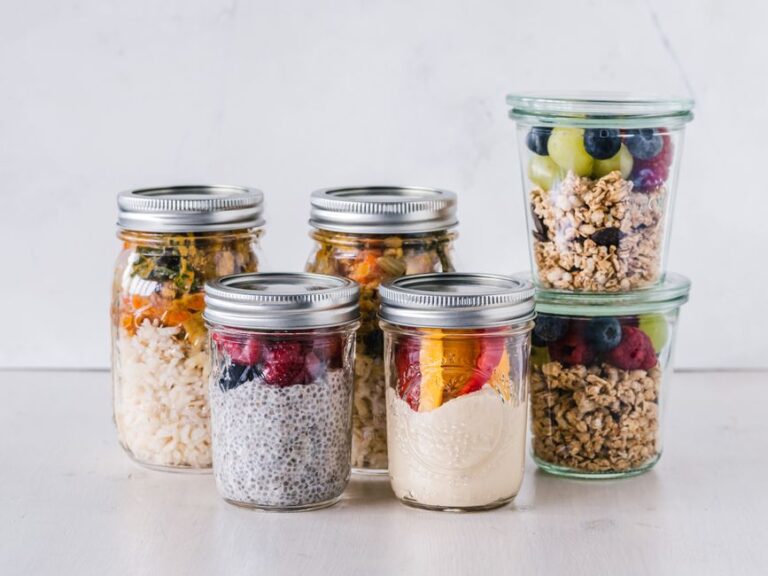
How to Build a High-Protein Breakfast That Keeps You Full for 4+ Hours: Macro Targets, Smart Food Swaps, and 10-Minute Recipes

In recent years, the popularity of plant-based diets has surged, particularly among fitness enthusiasts and athletes. This comprehensive guide explores the best plant-based protein sources that can support muscle growth, helping you achieve your fitness goals. By incorporating these protein-rich foods into your diet, you can ensure that your muscles receive the essential nutrients they need for recovery and development.
Plant-based proteins are derived from various sources, including legumes, grains, nuts, and seeds. Unlike animal proteins, plant proteins often come with additional health benefits, such as fiber, vitamins, and minerals. However, they may lack certain essential amino acids, making it crucial to combine different sources to achieve a complete protein profile.
Amino acids are the building blocks of proteins. There are 20 different amino acids, nine of which are essential, meaning the body cannot produce them and they must be obtained from food. Plant proteins can be categorized into two groups:
To maximize muscle growth, it is essential to consume a variety of plant-based proteins to ensure you receive all necessary amino acids.
Here are some of the best plant-based protein sources that can help you build muscle effectively:
Legumes are an excellent source of protein and are rich in fiber, which aids digestion and helps maintain a healthy weight. Common legumes include:
Quinoa is a complete protein, making it a perfect choice for muscle growth. It contains about 8 grams of protein per cooked cup and is also gluten-free. Quinoa is rich in essential nutrients, including magnesium and iron, which play a vital role in muscle function.
Tofu and tempeh are derived from soybeans and are versatile protein sources. Tofu contains approximately 20 grams of protein per cup, while tempeh has about 31 grams per cup. Both options are rich in calcium, which is essential for bone health and muscle contraction.
Nuts and seeds are excellent sources of protein and healthy fats. They can be easily added to smoothies, salads, or consumed as snacks. Notable options include:
Whole grains provide protein along with essential carbohydrates for energy. Some of the best options include:
To ensure you are getting all essential amino acids, it is important to combine different plant protein sources throughout the day. Here are some effective combinations:
Here are some practical tips to help you incorporate plant-based proteins into your diet effectively:
Yes, you can build muscle on a plant-based diet by consuming a variety of protein sources that provide all essential amino acids.
Most individuals aiming for muscle growth should target around 1.2 to 2.2 grams of protein per kilogram of body weight, depending on their activity level.
Plant-based proteins can be as effective as animal proteins for muscle growth, provided you consume a diverse range of protein sources.
Some quick plant-based protein snacks include hummus with vegetables, protein bars, and nut butter on whole grain toast.
It is not necessary to combine proteins at every meal, but aim to do so throughout the day to ensure you meet your amino acid needs.
Carbohydrates are essential for muscle growth as they provide the necessary energy for workouts. Consuming adequate carbohydrates helps replenish glycogen stores, which can enhance performance and recovery.
The recommended carbohydrate intake for those focused on muscle growth typically ranges from 3 to 7 grams per kilogram of body weight, depending on the intensity and frequency of exercise.
Healthy carbohydrate sources include whole grains, fruits, vegetables, and legumes. These foods not only provide energy but also offer essential vitamins and minerals.
Healthy fats play a critical role in hormone production, including hormones that are vital for muscle growth, such as testosterone. They also provide a concentrated source of energy.
Incorporating healthy fats can be done by adding avocados, nuts, seeds, and olive oil to meals. These options can enhance flavor while also supporting overall health.
Hydration is crucial for optimal performance and recovery. Dehydration can negatively affect strength, endurance, and muscle function, so it is important to drink enough water throughout the day.
Carbohydrates are the body’s primary source of energy, especially during high-intensity workouts. They help replenish glycogen stores, supporting sustained energy levels.
Opt for complex carbohydrates such as whole grains, legumes, and vegetables. These options provide lasting energy and are rich in fiber, promoting digestive health.
Processed foods often contain high levels of sugar, unhealthy fats, and sodium, which can lead to various health issues. Limiting these foods can improve overall nutrition and well-being.
Meal planning allows individuals to make healthier choices by ensuring balanced meals. It can save time and reduce the likelihood of impulsive eating decisions.
Eating a diverse range of foods ensures that individuals receive all necessary nutrients. This variety can prevent deficiencies and promote overall health and vitality.
Nutrition plays a significant role in mental health. A balanced diet can improve mood, reduce anxiety, and enhance cognitive function, making it essential for overall well-being.