Best Superfoods for Improved Gut Health: Top Choices for Digestive Wellness

Nutrient-dense foods are essential for maintaining energy levels and overall vitality. These foods provide a high amount of nutrients relative to their calorie content, making them an excellent choice for anyone looking to enhance their health. This comprehensive guide will explore the benefits of nutrient-dense foods, how to incorporate them into your diet, and tips for maximizing their nutritional potential.
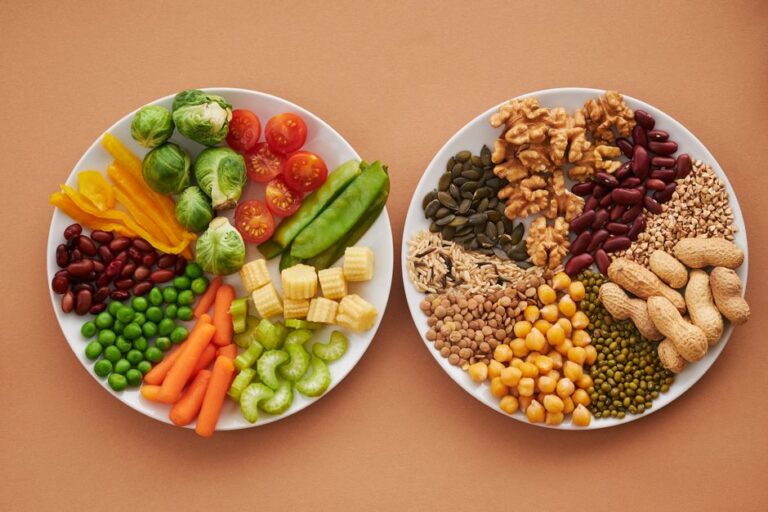
Nutrient-dense foods are those that deliver a significant amount of vitamins, minerals, and other beneficial nutrients with relatively low calories. They are often rich in essential nutrients like fiber, antioxidants, and healthy fats, and they support various bodily functions.
Incorporating nutrient-dense foods into your diet can offer numerous health benefits. Here are some key advantages:
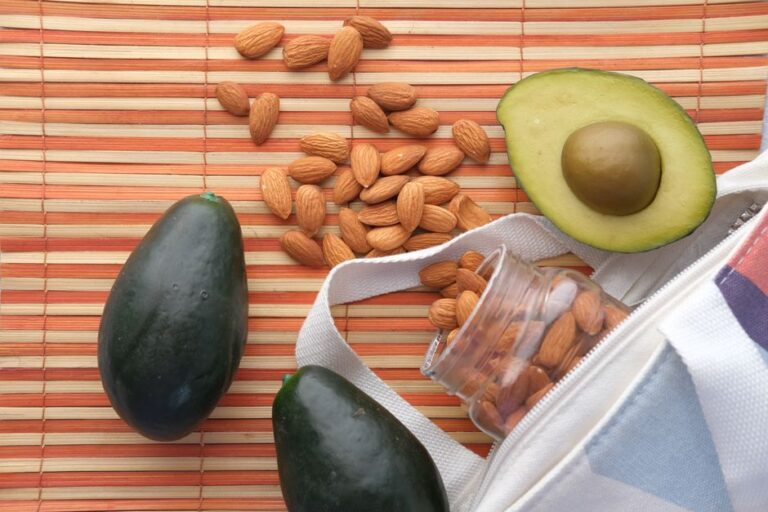
Nutrient-dense foods provide the necessary fuel for your body, helping to sustain energy throughout the day. Foods like leafy greens, nuts, and whole grains can keep you energized without the crash associated with sugary snacks.
When you consume foods that are rich in nutrients but low in calories, you can maintain a healthy weight more easily. Nutrient-dense foods help you feel full longer, reducing the likelihood of overeating.
A diet rich in nutrient-dense foods supports your immune system. Foods high in vitamins C and E, zinc, and antioxidants can help strengthen your body’s defenses against illness.
Including a variety of nutrient-dense foods in your meals can enhance your nutritional intake. Here are some examples:
Integrating nutrient-dense foods into your daily meals can be simple and enjoyable. Here are some practical tips:
Creating a meal plan that emphasizes nutrient-dense foods can help you stay organized and make healthier choices. Focus on including a variety of food groups in each meal.
Instead of reaching for processed snacks, opt for nutrient-dense options like fresh fruits, raw vegetables, or a handful of nuts. These choices can provide sustained energy without added sugars.
Explore new recipes that highlight nutrient-dense ingredients. Incorporating items like quinoa salads, smoothie bowls, or stir-fried vegetables can make healthy eating enjoyable.
Foods like leafy greens, lean proteins, whole grains, and high-fiber fruits can help with weight loss while providing essential nutrients.
Start by adding one or two servings of fruits or vegetables to each meal and choose whole grains over refined options.
While most fruits and vegetables are nutrient-dense, some are higher in calories or sugars. Focus on whole, unprocessed options for the best benefits.
Yes, nutrient-dense foods can support various health conditions, including heart disease, diabetes, and digestive issues, by providing necessary nutrients and fiber.
Check the nutritional label for vitamins, minerals, and fiber content relative to its calorie count. Foods with high nutrient content and low calories are typically nutrient-dense.
Incorporating nutrient-dense foods into your daily meals can be simple and enjoyable. Start by planning your meals around these foods to ensure you are maximizing your nutrient intake.
To make nutrient-dense foods more appealing, experiment with different cooking methods and flavor profiles. Roasting vegetables can enhance their natural sweetness, while adding spices can boost flavor without extra calories.
Choose snacks that are nutrient-dense, such as raw vegetables with hummus, Greek yogurt with berries, or a handful of nuts. These options provide energy and essential nutrients, keeping you satisfied between meals.
Consistency is key when it comes to incorporating nutrient-dense foods into your diet. Gradually replace less healthy options with nutrient-dense ones, making small changes over time for sustainable results.
Remember, the goal is not to eliminate foods you enjoy but to find a balance that prioritizes nutrient density while still allowing for occasional treats. By making informed choices, you can improve your overall health and well-being.
Staying hydrated is crucial for overall health. Water supports digestion, nutrient absorption, and energy levels. Aim to drink at least eight glasses of water daily, and consider incorporating herbal teas or infused water for added flavor.
Practice mindful eating by paying attention to your hunger cues and savoring each bite. This approach can help prevent overeating and encourages a deeper appreciation for the flavors and textures of your food.