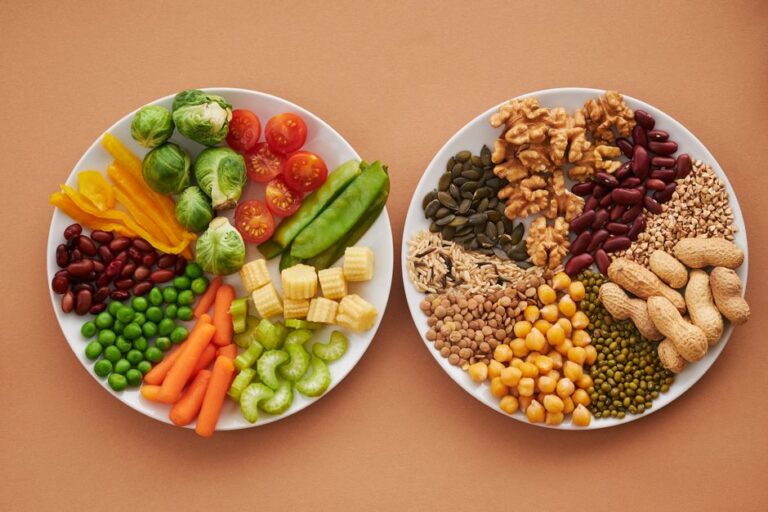
Best Superfoods for Improved Gut Health: Top Choices for Digestive Wellness

Nutrient timing is a crucial concept in the field of nutrition that focuses on the strategic consumption of food and supplements to maximize energy levels and enhance recovery. By understanding how and when to consume specific nutrients, individuals can significantly improve their athletic performance and overall well-being. This guide will delve into the principles of nutrient timing, the importance of macronutrients, and practical strategies to optimize your meals for energy and recovery.
Nutrient timing refers to the practice of consuming nutrients at specific times to achieve desired physiological effects. This approach is particularly beneficial for athletes and active individuals who require optimal energy levels and swift recovery. The timing of nutrient intake can influence muscle growth, fat loss, and overall performance.
The human body has distinct metabolic phases influenced by activity levels. These phases dictate how nutrients are utilized. Understanding these phases can help individuals tailor their meal timing to enhance performance.
Macronutrients, namely carbohydrates, proteins, and fats, play significant roles in nutrient timing. Each macronutrient serves distinct purposes that are crucial for optimizing energy and recovery.
Carbohydrates are the primary energy source for high-intensity exercise. Timing carbohydrate intake can enhance performance and recovery.
Proteins are vital for muscle repair and growth. Proper timing of protein intake can maximize recovery and muscle synthesis.
While fats are not the primary fuel source during high-intensity workouts, they play a crucial role in overall energy balance.
To effectively implement nutrient timing in your routine, consider the following strategies:
Scheduling meals around your workout times is essential. Ensure you have a balanced meal or snack containing carbohydrates and protein before and after exercising.
When whole foods are not feasible, supplements can provide an efficient way to meet nutritional needs. Use protein powders, amino acids, and carbohydrate gels judiciously around workout times.
Track how your body responds to different meal timings. Everyone’s metabolism is unique, and adjusting your nutrient timing based on personal experience can lead to better outcomes.
Hydration plays a crucial role in nutrient absorption and overall performance. Ensure you are adequately hydrated before, during, and after exercise to maximize the benefits of nutrient timing.
It is generally recommended to consume a balanced meal containing carbohydrates and protein 1-3 hours before exercise to provide adequate energy.
It is ideal to consume a protein and carbohydrate-rich meal or snack within 30 minutes after exercising to promote recovery.
Supplements can be used to complement your diet, especially when whole foods are not available, but they should not replace balanced meals entirely.
While nutrient timing can optimize performance and recovery, overall caloric balance and food choices are more critical for fat loss.
Nutrient timing is particularly beneficial for athletes and active individuals, but anyone can benefit from understanding how meal timing influences energy and recovery.
Nutrient timing revolves around consuming specific nutrients at key intervals to maximize performance, recovery, and overall health. By strategically planning your meals and snacks, you can enhance the benefits of your diet.
Carbohydrates are essential for replenishing glycogen stores after intense workouts. Consuming carbohydrates post-exercise can help restore energy levels and prepare your body for future workouts.
Protein plays a crucial role in muscle repair and growth. Including a source of protein in your post-workout meal can help stimulate muscle protein synthesis, which is vital for recovery.
While the timing of nutrient intake is important, the frequency of meals throughout the day also plays a significant role in overall nutrition. Regular meals can help maintain energy levels and support metabolic functions.
Staying hydrated is a critical component of nutrient timing. Water aids in digestion and nutrient absorption, and it is essential for optimal performance. Aim to drink water before, during, and after your workouts.
Understanding nutrient timing can provide valuable insights into how to optimize your diet for better performance and recovery. By focusing on the right balance of carbohydrates, proteins, and hydration, you can enhance your overall health and fitness journey.
Incorporating a few additional strategies can further enhance your nutrient timing approach. Here are some suggestions to consider:
Maintaining proper hydration is crucial for nutrient absorption and overall performance. Ensure you drink enough water throughout the day, especially around your meals and workouts.
Choosing whole foods over processed options can significantly impact your nutrient intake. Whole foods are typically richer in vitamins, minerals, and fiber, contributing to better overall health.
Keeping track of how your body responds to different nutrient timing strategies can help you make informed adjustments. Consider using a food diary or app to monitor your intake and performance.
Every individual has unique nutritional needs. Be prepared to modify your timing and food choices based on factors such as age, activity level, and specific health goals.
Post-workout nutrition is vital for recovery. Consuming a combination of protein and carbohydrates shortly after exercise can help replenish glycogen stores and repair muscle tissue.
Implementing nutrient timing is not an overnight process. Give yourself time to adjust and find the strategies that work best for your body and lifestyle.
Continuously educate yourself about nutrition and emerging research. Staying informed can help you refine your approach and make better choices regarding nutrient timing.