Understanding Food Combinations for Better Digestion
Combining foods properly is essential for enhancing digestion and maximizing nutrient absorption. When we eat, our body requires different enzymes to break down various food groups. Understanding how to combine foods effectively can lead to improved digestive health and better overall wellness. In this article, we will explore the principles of food combining, the benefits of proper combinations, and practical tips for creating meals that support optimal digestion.
The Principles of Food Combining
Food combining is based on the idea that certain foods digest more efficiently when eaten together. The main principles include:
- Proteins and Carbohydrates: It is generally advised to avoid combining proteins with carbohydrates in the same meal. This is because proteins require an acidic environment for digestion, while carbohydrates digest best in an alkaline environment.
- Fruits and Other Foods: Fruits should ideally be eaten alone or with other fruits. When combined with heavier foods, fruits can ferment in the stomach, leading to discomfort.
- Starches and Non-Starchy Vegetables: Starches, such as potatoes or rice, can be effectively paired with non-starchy vegetables, which can aid in digestion without causing bloating.
Why Food Combining Matters
Proper food combinations can lead to:
- Improved Digestion: By eating foods that work well together, you can reduce the risk of digestive discomfort, bloating, and gas.
- Enhanced Nutrient Absorption: Certain combinations can help the body absorb nutrients more effectively, ensuring you get the most out of your meals.
- Increased Energy Levels: A well-balanced meal that is easy to digest can lead to sustained energy throughout the day.
Practical Tips for Combining Foods
To create meals that support optimal digestion, consider the following tips:
- Plan Your Meals: Take time to plan meals that incorporate food combinations aligned with the principles of food combining.
- Start with Vegetables: Begin your meals with a salad or steamed vegetables, which can prepare your digestive system for the upcoming food.
- Choose Whole Foods: Focus on whole, unprocessed foods that are naturally easier to digest and free from additives.
- Stay Hydrated: Drink water throughout the day, but avoid drinking large amounts during meals to prevent diluting digestive enzymes.
Examples of Food Combinations
Here are some examples of food combinations that align with the principles of food combining:
- Vegetable Stir-Fry: Pair non-starchy vegetables like bell peppers and broccoli with a protein source like tofu or chicken.
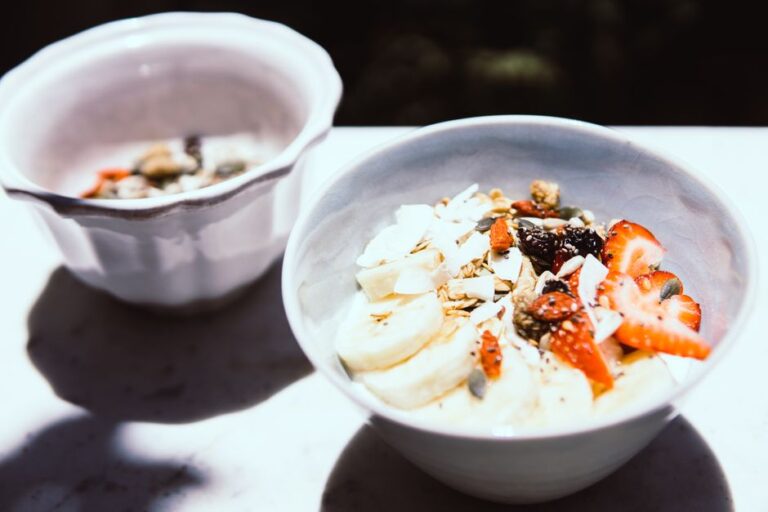
- Fruit Salad: Combine different fruits such as berries, melons, and apples for a refreshing snack.
- Quinoa and Vegetables: Serve quinoa with steamed non-starchy vegetables for a nutrient-dense meal.
- Rice and Beans: This classic combination is an excellent source of protein and carbohydrates that digest well together.
Common Myths About Food Combining
Despite the benefits of food combining, several myths persist. Understanding these can help you make informed decisions:
- Myth 1: Food combining is only for people with digestive issues. Truth: While it can help those with digestive problems, everyone can benefit from better food combinations.
- Myth 2: You must strictly adhere to food combining rules. Truth: Flexibility is key; occasionally breaking the rules won’t drastically affect your digestion.
- Myth 3: All fruits are best eaten alone. Truth: Some fruits can be combined without issue, such as berries and melons.
Listening to Your Body
Ultimately, the best approach to food combining is to listen to your body. Each individual may react differently to various food combinations. Keeping a food diary can be helpful in identifying what works best for you.
Frequently Asked Questions
1. Can I combine dairy with fruits?
It is generally recommended to avoid combining dairy with fruits as it can lead to digestive discomfort for many people.
2. What are the best snacks for optimal digestion?
Snacks like raw vegetables, nuts, and seeds, or fruit alone are great options that support digestion.
3. How long should I wait after eating before drinking water?
It is advisable to wait at least 30 minutes after eating before drinking water to allow for proper digestion.
4. Are there any exceptions to food combining rules?
Yes, individual tolerance varies, and some people may find they can combine foods that are generally not recommended without issue.
5. Can food combining help with weight loss?
While food combining can improve digestion and nutrient absorption, weight loss ultimately depends on overall dietary habits and caloric balance.
6. What role do probiotics play in digestion?
Probiotics are beneficial bacteria that play a crucial role in maintaining gut health. They help balance the gut microbiome, which can enhance digestion and boost the immune system.
7. How can I incorporate probiotics into my diet?
You can easily add probiotics to your diet by consuming fermented foods such as yogurt, kefir, sauerkraut, and kimchi. Additionally, probiotic supplements are available for those who may not get enough from food sources.
8. Are there specific foods that hinder digestion?
Certain foods can slow down digestion, including processed foods high in sugar and fat, as well as excessive amounts of caffeine and alcohol. These can lead to bloating and discomfort.
9. How does fiber impact digestion?
Fiber is essential for healthy digestion. It adds bulk to the stool and promotes regular bowel movements, while also preventing constipation. A diet rich in both soluble and insoluble fiber can significantly enhance digestive health.
10. What are some high-fiber foods to include in my diet?
- Fruits such as apples, bananas, and berries
- Vegetables like broccoli, carrots, and Brussels sprouts
- Whole grains such as oats, quinoa, and brown rice
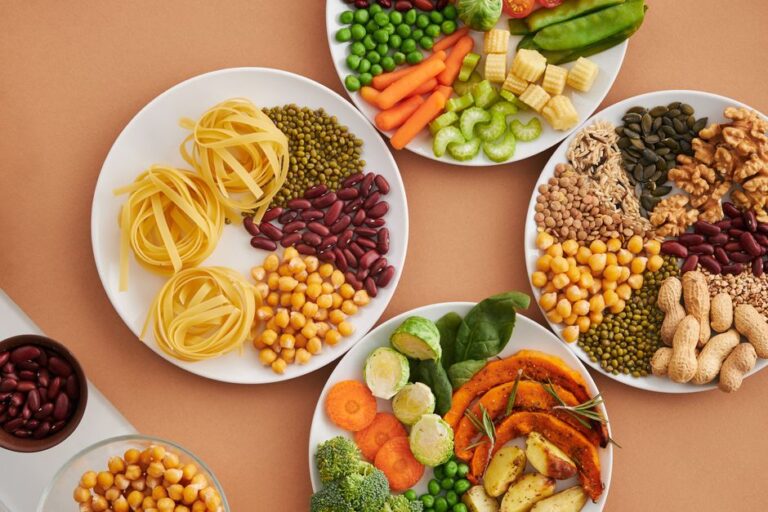
- Legumes, including lentils, beans, and chickpeas
11. How can hydration affect digestion?
Staying properly hydrated is vital for digestion. Water helps dissolve nutrients, making them more accessible to the body, and it aids in the movement of food through the digestive tract.
12. What are some tips for maintaining good digestive health?
- Eat a balanced diet rich in whole foods
- Stay hydrated throughout the day
- Engage in regular physical activity
- Manage stress through relaxation techniques
13. The Role of Probiotics in Nutrition
Probiotics are beneficial bacteria that support gut health. They can be found in fermented foods such as yogurt, kefir, and sauerkraut, contributing to a balanced microbiome.
14. Importance of Portion Control
Understanding portion sizes is essential for maintaining a healthy weight. It helps prevent overeating and ensures that nutrient intake is balanced and appropriate for individual needs.